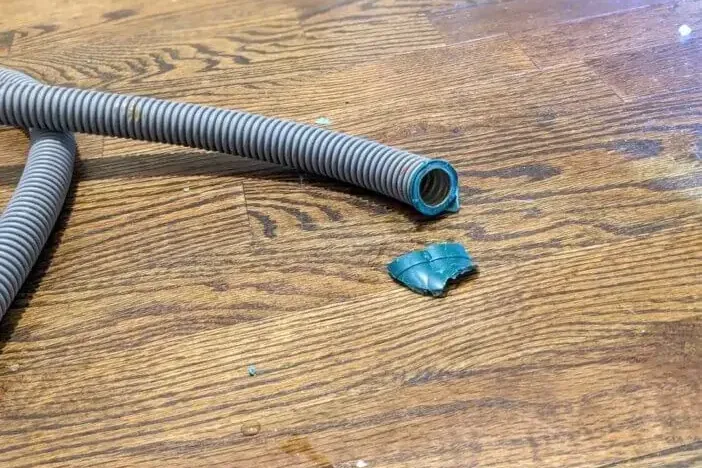
Households in Mascotte average 3.6 people against 2.7 for the metro area, according to a 2024 estimate, so washers and dishwashers rarely get a rest. More cycles mean more wear on hoses, gaskets and valves, and a small leak can soak a floor before anyone notices.
Key takeaways
- A larger household runs more loads and cycles, which wears hoses, gaskets and valves faster.
- Washer leaks tend to come from supply and drain hoses, and dishwasher leaks from the door gasket, supply valve and drain connection.
- Shut the appliance's valve, unplug it and extract the water before it reaches cabinets and subfloor.
- Moisture mapping finds water under cabinets and flooring that a towel never reaches.
- Swollen laminate and particleboard cabinet bases rarely recover once they are soaked.
Why busy households wear out appliance hoses
The 2020 Census counted 2,000 households in Mascotte, and 48.6 percent had children under 18. Homes like that run laundry and dishwasher cycles through the day.
Each cycle puts the supply hoses under pressure and then relaxes them. Over time the rubber hardens, the fittings loosen and the gaskets lose their seal.
What a larger household changes
More loads mean more heat, more vibration and more door openings. A washer that walks across the floor pulls on its hoses, and a dishwasher door that opens and closes all day wears its gasket.
Where washer and dishwasher leaks hide
In both cases the leak often runs behind or under the machine. The first sign is usually a stain on a wall or a floor that feels soft.
Washer supply and drain hoses
Hoses behind a washer sit out of sight, so a slow leak can run for days.
- A bulge or crack in a rubber hose
- Corrosion at the faucet connection
- A drain hose that slipped out of the standpipe
- Water on the floor behind the machine after a cycle
Dishwasher gasket, valve and drain
A dishwasher leak often travels under the cabinet before it shows on the floor.
- A door gasket that is cracked or loose
- A supply valve that weeps under the sink
- A drain connection inside the sink cabinet
- Water beneath the toe kick of the cabinet next to the machine
First steps: valve, plug and extraction
The order matters. Water is stopped first, power is next and the floor comes after.
- Close the shutoff valve to the appliance.
- Unplug the machine or switch off its breaker.
- Pull the appliance forward only after the water is off.
- Lift small rugs and items off the wet floor.
- Photograph the source and the floor before cleanup.
Why a towel is not enough
A towel handles a puddle but not the water that crossed under the cabinet. Water extraction removes what soaked into the floor and the pad under any floor covering.
Moisture mapping under cabinets and flooring
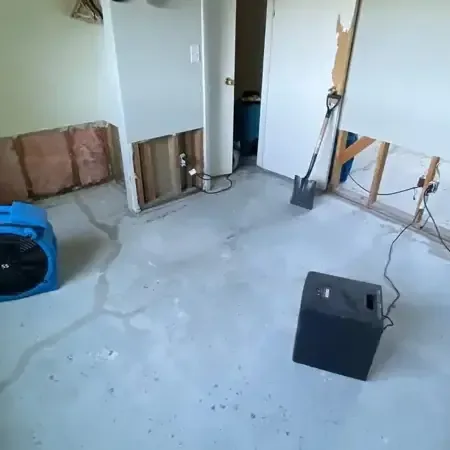
A floor can look dry on top while water sits under the cabinets and in the subfloor. A moisture meter and a thermal camera show where the water went.
The map shows the wet footprint, which is usually larger than the visible stain. It also tells the crew where to open a toe kick or lift a plank.
- Toe kick areas under cabinets
- Laminate and vinyl plank seams
- Subfloor beneath tile and under cabinets
- The wall bottom behind the appliance
Thermal images and meter readings
A thermal camera shows cooler wet areas, and a meter confirms them. Both are used because each catches what the other misses.
The readings are written down, so the same spots can be checked again as the drying goes on.
Slow leaks that run unnoticed
Not every leak floods the room. A hose that weeps a few drops each cycle can soak the subfloor over days without leaving a puddle.
- A musty smell in a laundry room or kitchen
- Paint that bubbles on the wall behind a machine
- Floor tiles that sound hollow or feel loose
- A soft spot beside the dishwasher or under the sink
- A water bill that rises with no change in use
Why slow leaks cost more
The longer water sits, the more material it reaches. A slow leak that runs for days wets the subfloor, the cabinet bases and the wall bottom, while a fast one caught at once usually stays on the surface.
The size of the repair follows how far the water went and how long the materials stayed wet. One wet cabinet base is a small job, and a floor soaked across two rooms is a larger one.
A check on laundry day
Running a hand along the hoses, looking under the sink and glancing at the floor around the machines takes little time. That check can catch a weeping fitting before the floor is affected.
What gets removed and what dries in place
Swollen laminate and pressed wood cabinet bases rarely recover after a soaking. Tile and solid wood trim often dry in place.
The appliance leak water damage page covers the full steps for a kitchen or laundry room.
- Laminate that cups or buckles is removed.
- Particleboard cabinet bases that swell are replaced.
- Vinyl plank is lifted so the subfloor can dry.
- Baseboards are pulled to dry the wall bottom.
- Solid wood and tile are dried in place and checked.
Cabinets and countertops
Cabinet bases are the most common loss, because pressed wood swells and does not shrink back. Doors and upper cabinets are usually unaffected, and countertops stay in place when the base can be repaired.
Prevention for a busy household
A few small habits cut the risk. None of them cost much, and each gives early warning before water reaches the floor.
- Replace rubber hoses with braided hoses and swap them on a regular schedule.
- Close the washer's valves when leaving for a trip.
- Look behind the machines whenever they are pulled out for cleaning.
- Level the washer so it does not walk across the floor.
- Check a water bill that rises with no change in use.
Where to read more
The Mascotte page lists every service for the city. The main appliance and supply hose leak page explains what is checked on each type of appliance.
Questions
Where do washer leaks usually start?
Most start at the supply hoses and at the drain hose where it meets the standpipe. A rubber hose that bulges or cracks is a sign to replace it.
Why does a dishwasher leak show up on the floor next to it?
Water follows the lowest path, which is often under the adjacent cabinet. It reaches the floor at the toe kick or through the seam.
Can a small leak behind a washer cause real damage?
Yes. A slow leak soaks the subfloor and the wall bottom over days, so the damage can be much larger than the visible stain.
Is laminate flooring salvageable after a leak?
Seldom. Laminate swells at the seams once it is soaked, and it rarely goes back to its original shape.
How does the crew know the floor is dry?
Meter readings on the subfloor, cabinet bases and wall bottoms are compared to a dry reference. Drying continues until they match.
Should a leaking washer be pulled out right away?
The water is shut off first, then the machine is pulled forward carefully. Pulling it while the hoses are still under pressure can tear a connection and make the leak worse, and a tub full of water makes the machine heavy.