A hurricane or tropical storm brings hours of wind-driven rain. Water gets in where it normally cannot: through soffit vents, around window frames, under lifted shingles and through broken openings. Inland homes may miss the surge but still take water in ceilings, walls and floors across several rooms at once.
Storm water versus flood water
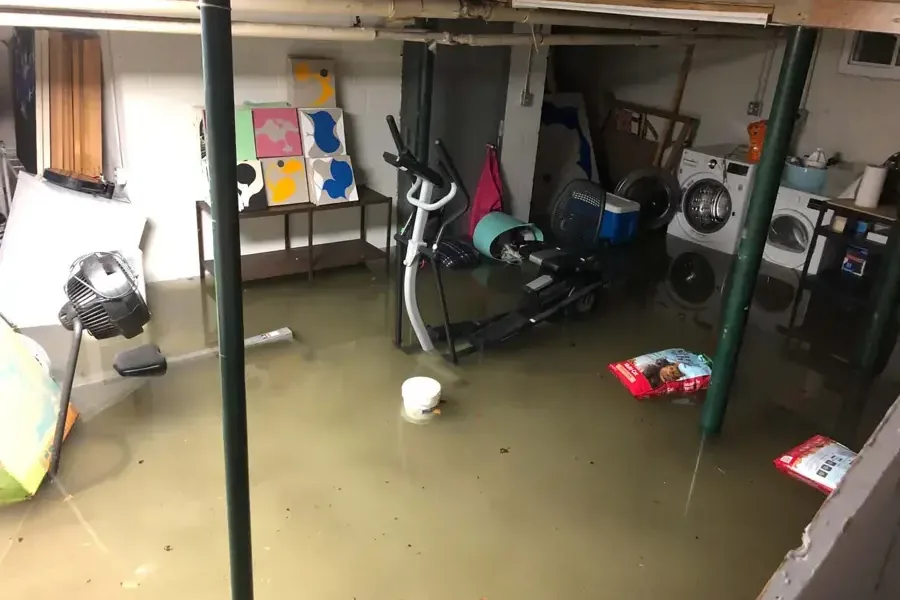
Rain that comes in from above, through a damaged roof or wall, is storm water damage. Water that rises from the ground and comes in at floor level is flood water, which is Category 3 and usually falls under separate flood coverage. Many storms bring both, so the response team records which rooms took which water.
Storm rain inside the house after the wind died down? Storm crews dispatch 24/7.
Get on the storm cleanup schedule earlyAfter the storm passes
- Wait for officials to say travel is safe
- Stay away from downed power and standing water near it
- Tarp or cover openings to stop more rain
- Photograph every room before cleanup starts
- Keep receipts for tarps, fans and emergency repairs
Why speed matters after a hurricane
Power can be out for days, and closed-up houses in Florida heat and humidity grow mold fast, often within 24 to 48 hours. The restoration team brings generator-ready drying equipment when it is needed, removes wet carpet and insulation first, and sets drying zones so the worst rooms get attention early.
The claim file after a named storm
Hurricane claims often carry a separate deductible. A moisture map, daily readings and timestamped photos of every room help the adjuster separate storm damage from older wear.
Crews work through storm-area demand in order, so calling early gets a place on the schedule.
Hurricane and Tropical Storm Water Damage in short
Water damage cleanup after a hurricane or tropical storm: wind-driven rain and roof openings extracted and dried, soaked materials removed and every room documented for the insurance claim.