Water Damage Restoration in Mascotte, FL
A split hose or a storm leak can soak floors, walls and cabinets in this growing Lake County city before anyone notices. The local crew pulls the water out, dries the structure to meter readings and keeps the records for the insurer.
Ranges below are typical for Florida homes. The final scope comes only after the crew sees the damage and reads the moisture.
Water damage services for Mascotte homes
Fourteen services cover the leaks, storms and backups a Lake County home can face, from the first extraction to the last drying reading, each with its own cost ranges.
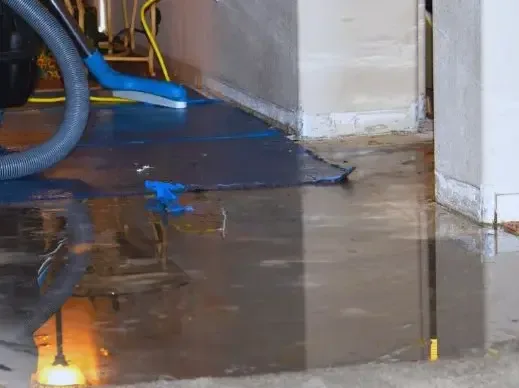
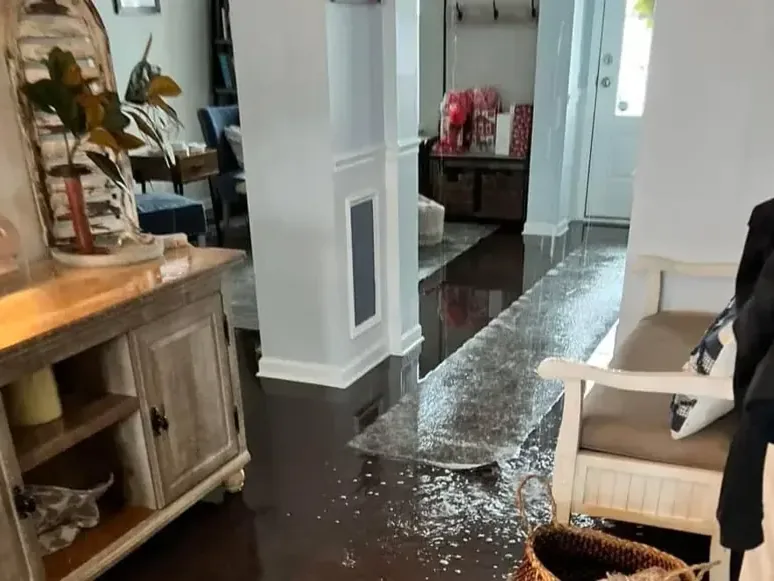
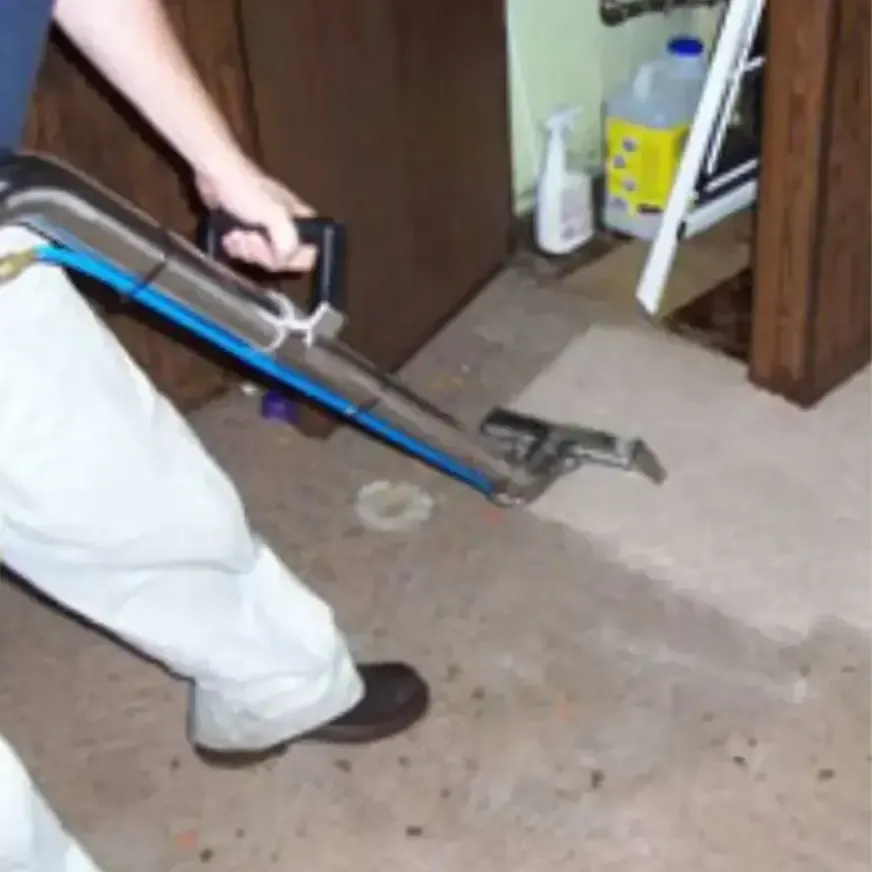 Water Extraction and RemovalWands and pumps pull standing water from carpet, pad and floors while the main shutoff stops more from coming in.
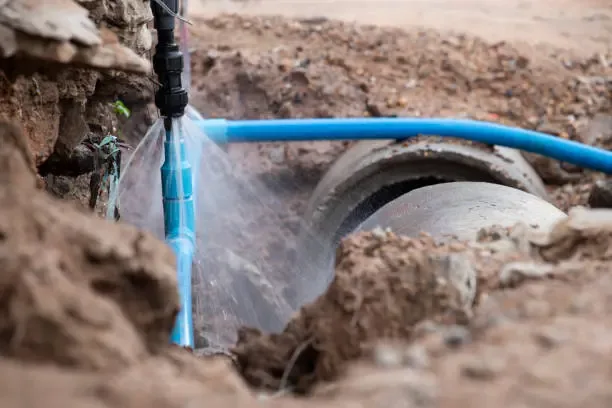 Burst Pipe Water DamageA broken supply pipe floods walls quickly, so the crew finds the break, opens wet sections and starts drying.
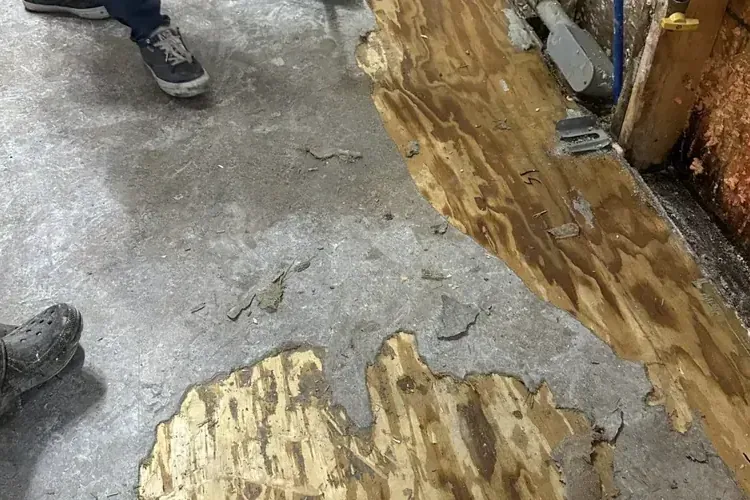 Slab Leak Water DamageWater under or inside a slab can wet floors and walls before any stain appears, and readings trace the path.
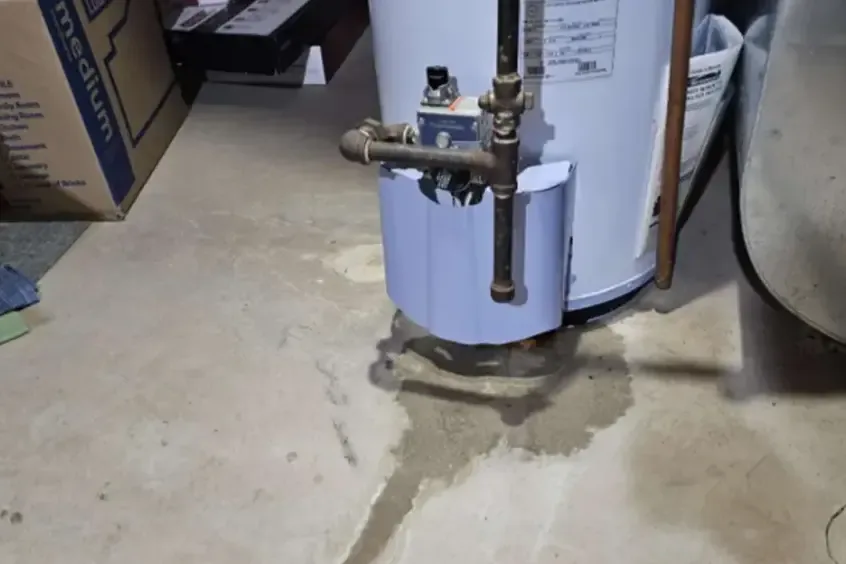 Water Heater Leak CleanupA failed tank can flood a garage or closet floor and the walls beside it, so the heater is shut off first.
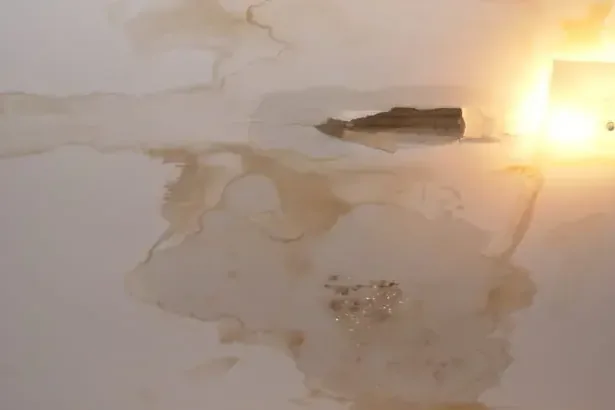 AC Condensate and Air Handler LeaksA clogged condensate drain or a full pan can drip through the ceiling below an air handler.
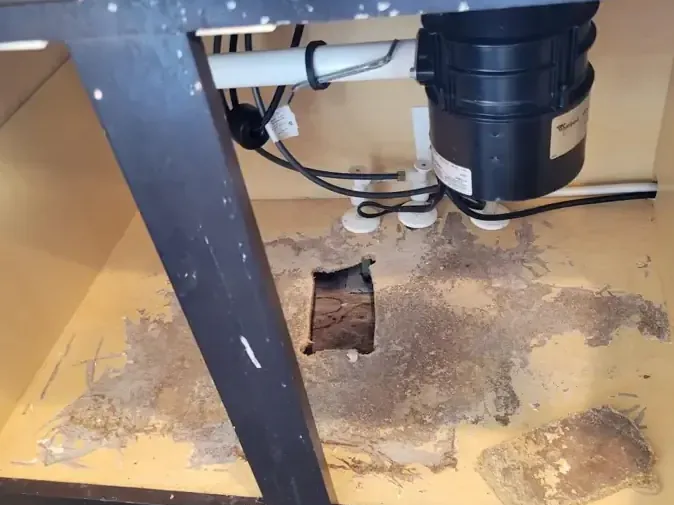
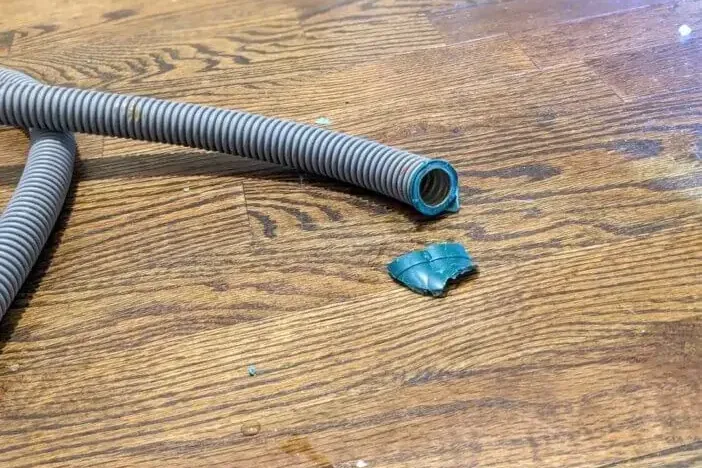 Appliance and Supply Hose LeaksSplit washer hoses and dishwasher leaks soak cabinets and floors, often behind a wall before anyone sees it.
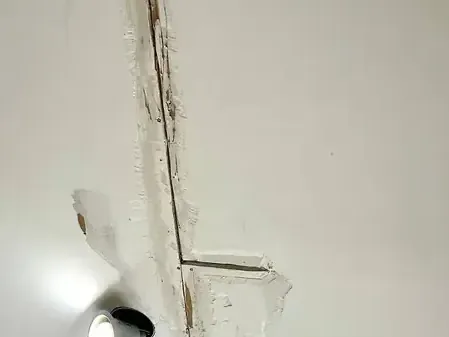
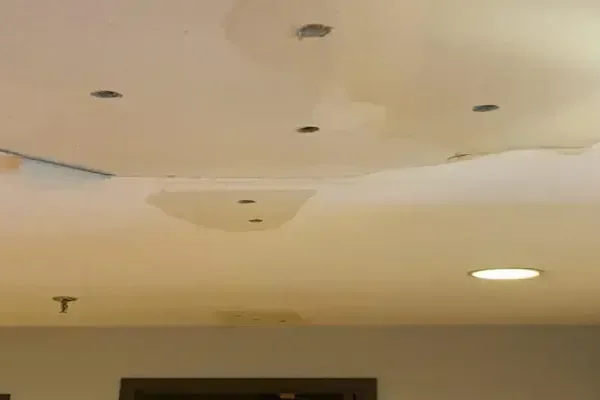 Ceiling Leak Water DamageA ceiling stain can start with plumbing above or the roof, and moisture readings show where it traveled.
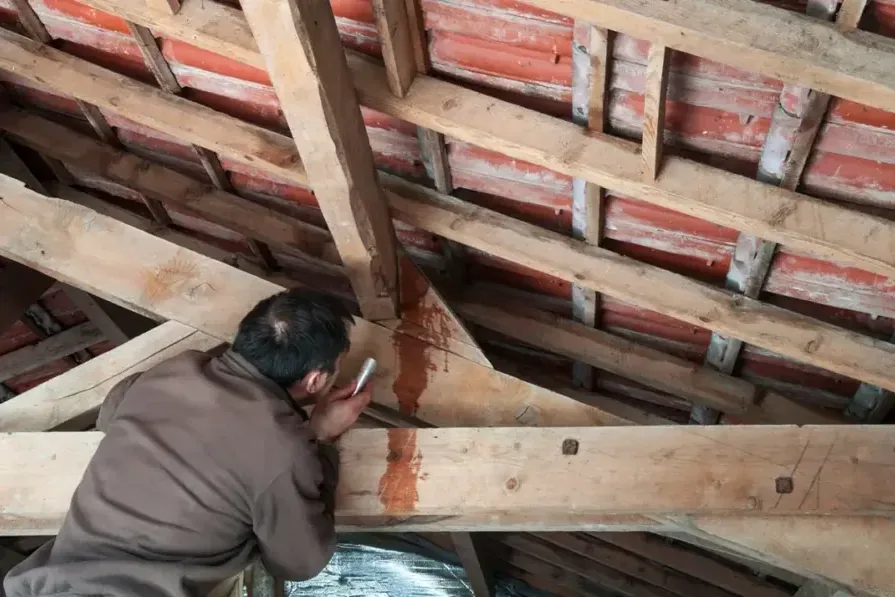 Roof Leak Water DamageHeavy rain finds a weak roof spot and runs into the attic, insulation and ceilings below.
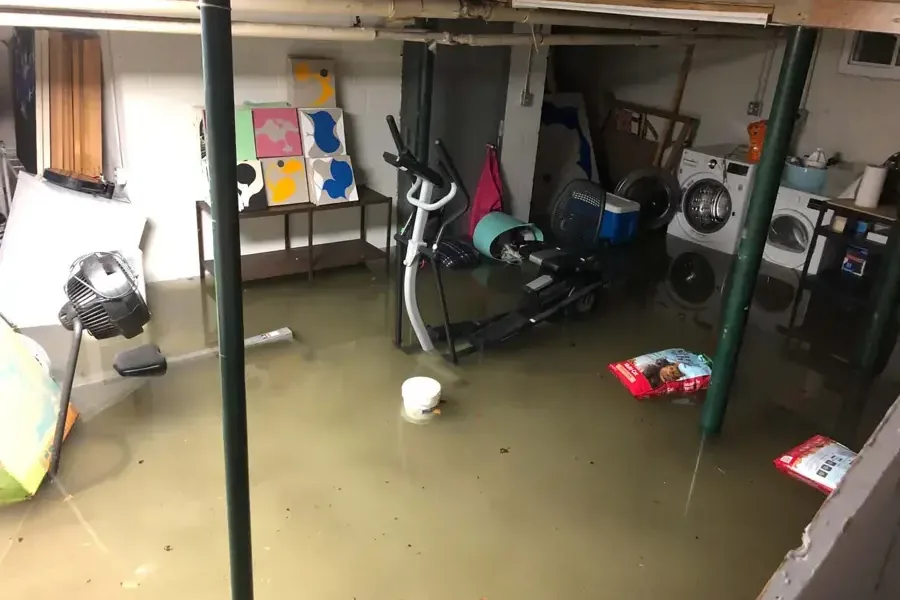 Hurricane and Tropical Storm Water DamageStorm wind and rain can wet several rooms at once through roof openings, windows and doors.
 Flood Water CleanupFloodwater has to come out fast, then the structure is dried and cleaned so rebuilding can begin.
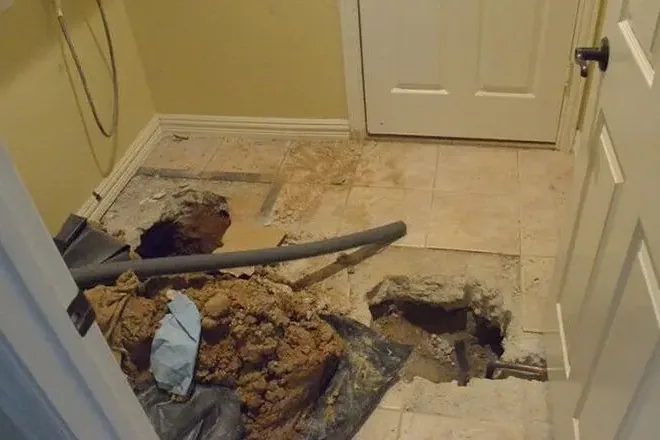 Sewage and Septic Backup CleanupSewage is contaminated, so protective gear, removal of soaked material and disinfection come first.
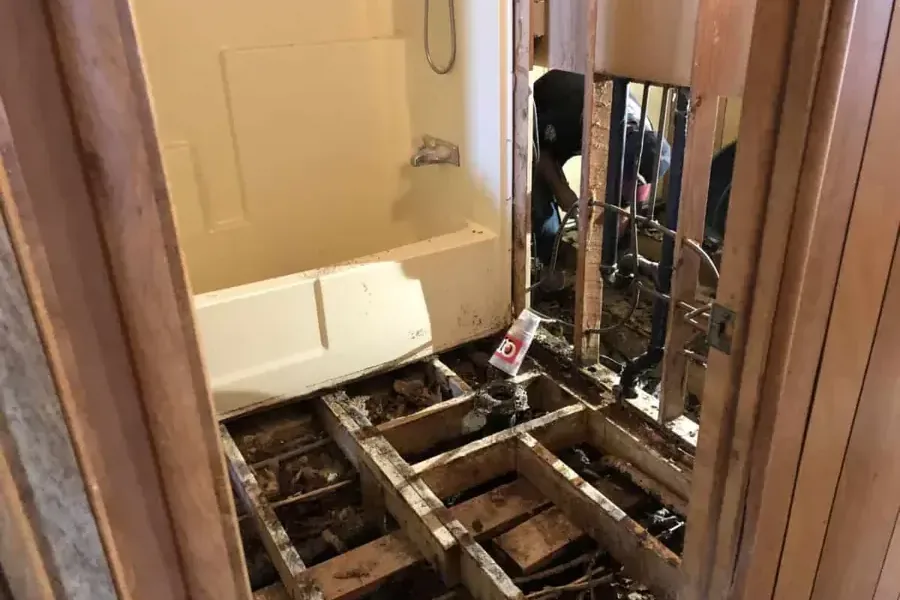 Manufactured Home Water DamageFloors and walls in manufactured homes need careful drying after a leak, since decking holds moisture.
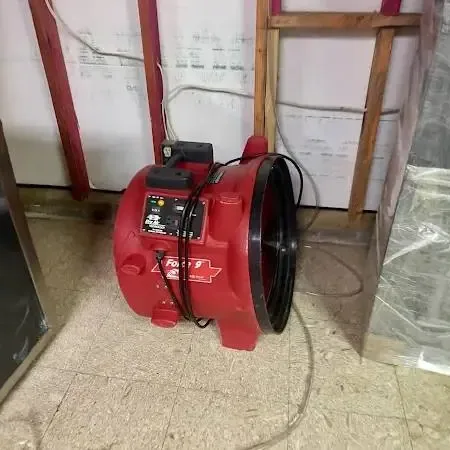
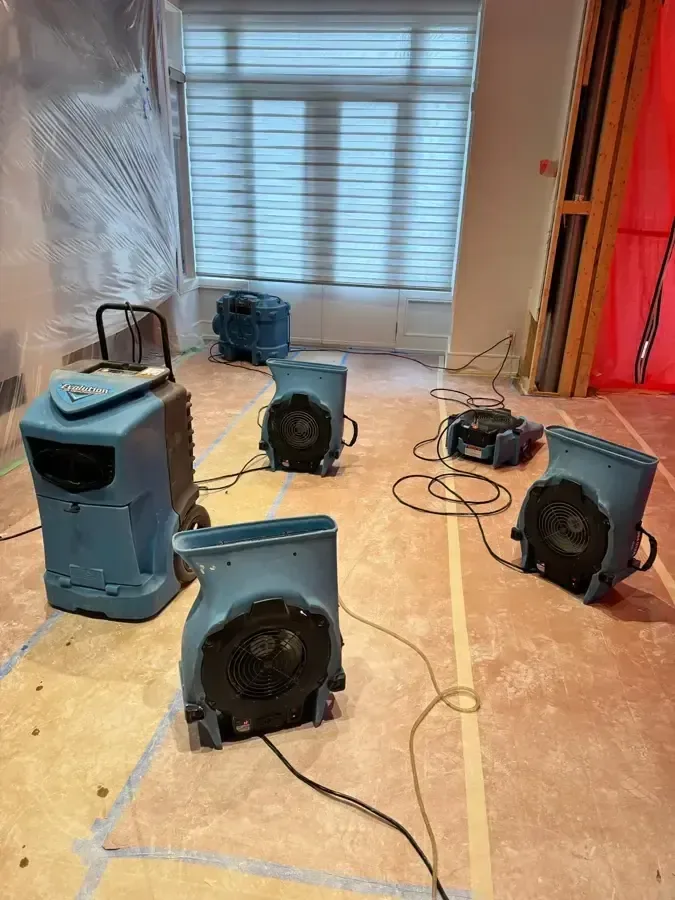
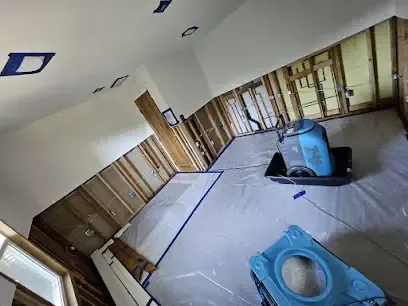
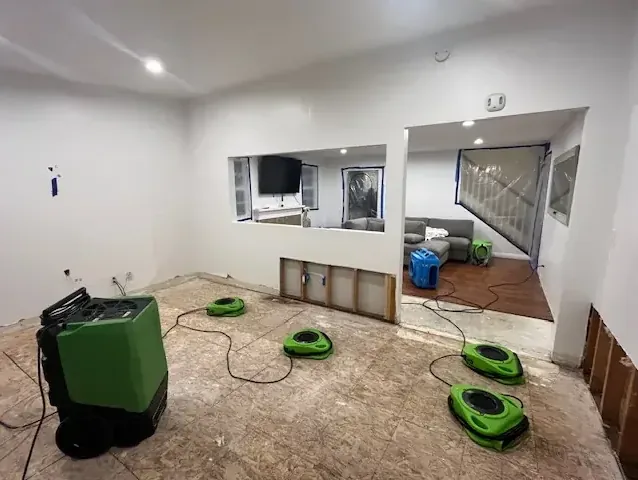 Structural Drying and DehumidificationDehumidifiers and air movers dry framing, subfloors and drywall until the meters read normal again.
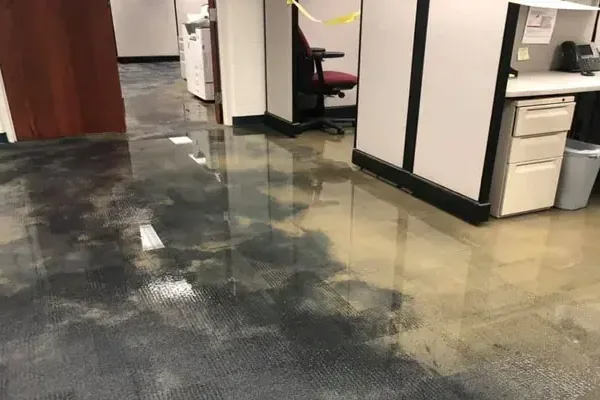 Commercial Water DamageOffices and shops get a drying plan that limits downtime and protects stock, records and equipment.
What water damage cleanup costs in town
Most Mascotte jobs fall into three bands, from one wet room to a long leak or a storm. The size of the wet area, the type of water and the days of drying set the price.
- Water extraction
- Wet pad removed
- Fans and readings
- Walls opened where wet
- Dehumidifiers running
- Daily meter checks
- Flooring and drywall removal
- Structural drying plan
- Final dry readings kept
Insurance may cover sudden leaks and burst pipes but usually not slow seepage or neglect, so the policy wording decides. Photos and readings support whatever claim is filed.
Dry means the meter says dry
Wood framing, subfloors and drywall are dried until readings match a dry reference taken in the same house, and only then does the equipment leave.
Find
The crew maps the wet areas with a moisture meter and visual checks before anything is cut or moved.
Remove
Standing water is extracted, and soaked material that cannot be saved, such as pad and wet insulation, is cut out and hauled away.
Dry
Air movers and dehumidifiers run in a closed space while readings track the progress at every visit.
Confirm
When framing and subfloor read dry, the equipment comes out, the room is cleared for rebuilding and the final readings go into the file.
What to do right after water shows up
- Stop the source. Close the main shutoff at the house. For a heater or an appliance, shut its own valve and cut power to it if the floor is wet.
- Keep power away. Stay out of standing water near outlets and cords. Switch off the breaker for any wet room until an electrician has checked it.
- Photograph everything. Take wide and close photos of wet floors, stains and ruined items before anything moves. Pictures support the claim later.
- Move small items. Lift rugs, electronics and valuables out of the wet area, and leave heavy furniture where it stands.
- Call for drying. Call early. Wet drywall and wood can start growing mold within 24 to 48 hours, so speed protects the structure.
Three kinds of water, three kinds of cleanup
Clean supply water
A broken pipe, heater or supply hose sends clean water first, and quick extraction keeps it from becoming a bigger problem.
Extraction and removalUsed appliance water
Washer, dishwasher and sink leaks carry soap and food residue, so soaked pad and cabinet bases usually come out.
Appliance leak helpSewage and flood water
Sewage and flood water carry bacteria and silt, so protective gear, removal of porous material and disinfection come before drying.
Sewage cleanupCareful drying, clear records, honest scope
The crew works on water and sewage only, so its equipment, training and time all go toward getting wet structures dry and documented.
Readings decide
Moisture meters show what is wet, and equipment stays until framing and subfloor read dry on every visit.
Water work only
Crews focus on leaks, storms and sewage, so the tools and training match the job at hand.
Records for claims
Photos, readings and equipment logs are kept so the insurer sees what happened and what was done.
Plain scope first
The written scope and price range come after the crew sees the damage and before drying begins.
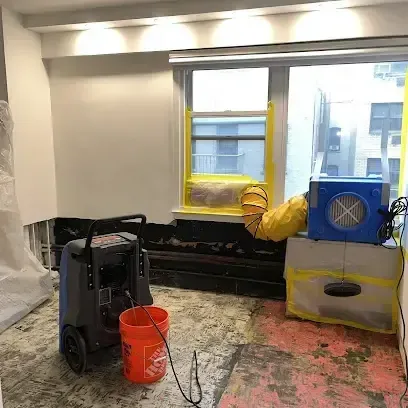
What extraction and structural drying look like inside a home
Working with the insurer
Sudden water damage is often covered, but each policy sets its own limits and exclusions, so the insurer has the final word.
Filing the claim directly
Homeowners can file straight with the insurer, and many do. Call the number on the policy, describe when the water was found and send the photos and readings the crew collected.
Keep damaged items until the adjuster has seen them, if possible, and ask what the policy requires before repairs begin.
- Photos of every wet room and ruined item
- Moisture readings from each visit
- A written scope with the price range
- Receipts for emergency repairs
- Notes on when the leak was found
Water damage crews working across Mascotte and Lake County
ZIP code
Roads and landmarks
Nearby towns covered
Outside the roads listed? Call anyway
The crew works across the southwestern part of Lake County, so homes at the edge of the city are routine calls.
If an address is not named here, the call confirms coverage, and the crew can usually say what to shut off while it plans the visit.
(888) 621-2041Call to check an addressWhat puts Mascotte homes at risk
The city grew from 2,687 residents in 2000 to 6,609 in 2020, and busy homes mean more washers, heaters and air handlers that can fail. Heavy rain adds roof and window leaks.
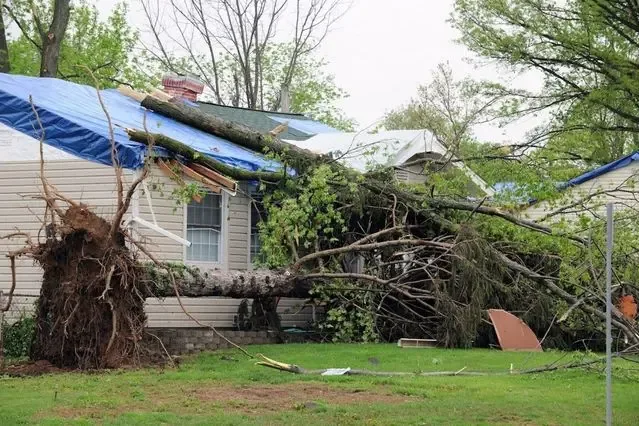
April 2025 The Mascotte City Council voted unanimously on April 15, 2025 to name Public Works employees first responders for work before and after natural disasters.
- Busy household plumbingHouseholds here average 3.6 people against 2.7 for the metro area, so washers, dishwashers and showers run hard and supply hoses wear out.
- Storm rain and roofsTropical systems and summer storms drive rain through weak roof spots and window frames, and a roof leak often shows first as a ceiling stain.
- Water heaters and AC drainsFlorida heat keeps air handlers running, and a clogged condensate drain or an aging tank can wet a ceiling or closet without warning.
- Sewage backupsA blocked drain or failed septic system can push contaminated water into floors and bathrooms, which calls for protective sewage cleanup rather than a mop.
- Hidden pipe leaksEach city water meter has a leak detector component, so a meter that keeps moving with every tap off is a clue to a hidden leak in the house.
Common questions
How much does water damage restoration cost in Mascotte?
Small jobs with clean water often run $800 to $2,500, several rooms $2,500 to $6,500, and long leaks or storm damage $6,500 to $15,000 or more. The crew gives a scope after seeing the damage.
What should be done first after a leak?
Close the main shutoff, keep power away from wet areas and photograph the damage. Then call for extraction and drying, because wet materials keep absorbing moisture.
How long does drying usually take?
Most drying runs several days, depending on the materials, the amount of water and the weather. Readings, not a calendar, decide when the equipment can come out.
Does homeowners insurance cover water damage?
Policies often cover sudden events like a burst pipe or a failed hose, and they often exclude slow leaks or neglected repairs. The adjuster decides, so keep the photos and readings.
Can mold grow after a leak?
It can start in 24 to 48 hours on wet drywall and wood. Fast extraction and steady airflow lower the risk, and the crew rechecks readings until materials are dry.
How is sewage different from clean water?
Sewage carries bacteria, so soaked porous material is removed and surfaces are disinfected under protective gear. Clean water from a supply pipe can often be dried in place.
Can a water meter point to a hidden leak?
Possibly. City meters here include a leak detector component, so a meter that moves with every tap closed suggests water is escaping somewhere. A moisture check can then find where the water is going.
Does the crew work on businesses as well?
Yes. The City of Mascotte says more commercial and industrial growth is planned, and shops and offices get a drying plan that keeps downtime short.
Can people stay home during drying?
Usually yes, though air movers and dehumidifiers are loud and run around the clock. Sewage and deep flood cleanups may call for moving out while the affected rooms are treated.
Which areas does the crew cover?
The service area includes ZIP 34753, the State Road 50 corridor and nearby parts of Lake County. A call confirms whether a specific address is covered.
Wet floors need attention before the damage spreads
Call now and the crew will say what to shut off and how soon extraction and drying should begin.