Auburndale Water Damage Restoration
When water gets into an Auburndale home, it keeps spreading through drywall, flooring and framing until someone stops it. The crew extracts standing water, maps the wet areas with meters, and dries the structure until readings come back dry.
Say where the water started, which rooms it reached and whether anything electrical is wet, so the first steps fit the job.
The water problems the team handles at home and work
Each service below covers a different source of water, from a split supply hose to a roof opened by wind, and each page explains how that kind of loss is dried.
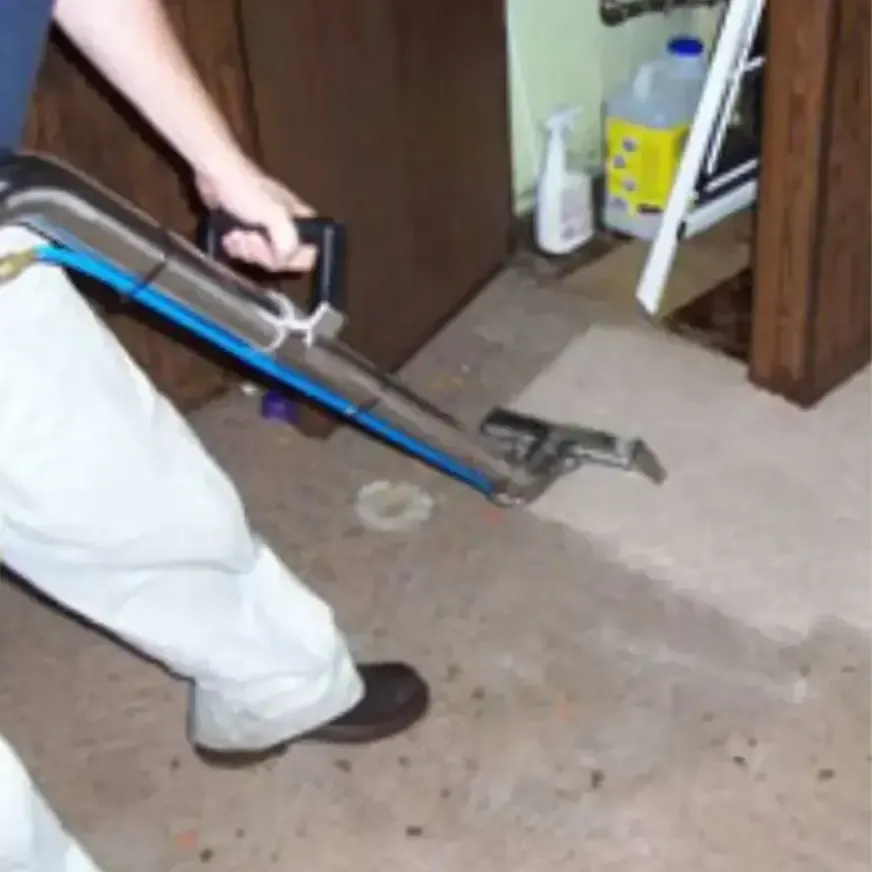 Water Extraction and RemovalPumps and wands pull standing water off floors and out of carpet pad before drying equipment goes in.
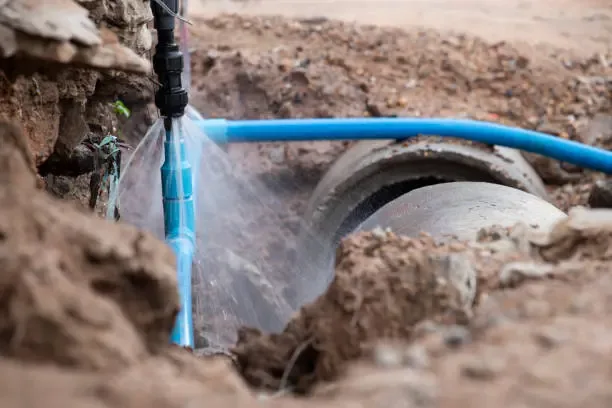 Burst Pipe Water DamageShutting off the water comes first, then wet drywall and insulation are dried or removed.
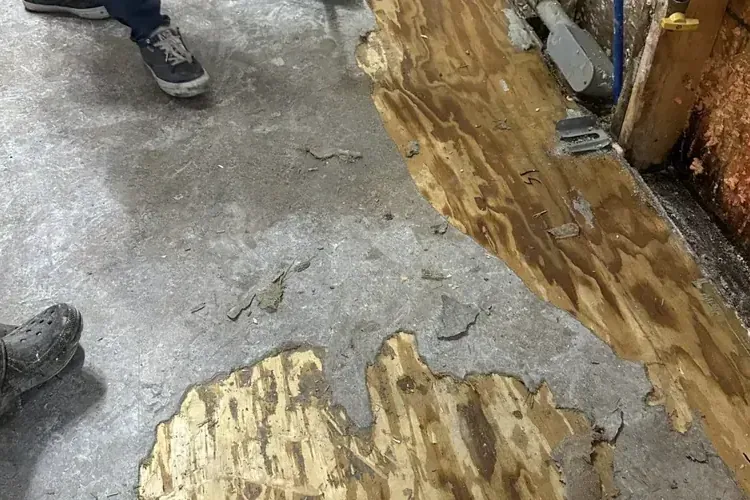 Slab Leak Water DamageSlab leaks can wet floors long before a stain shows, so meters trace where the moisture went.
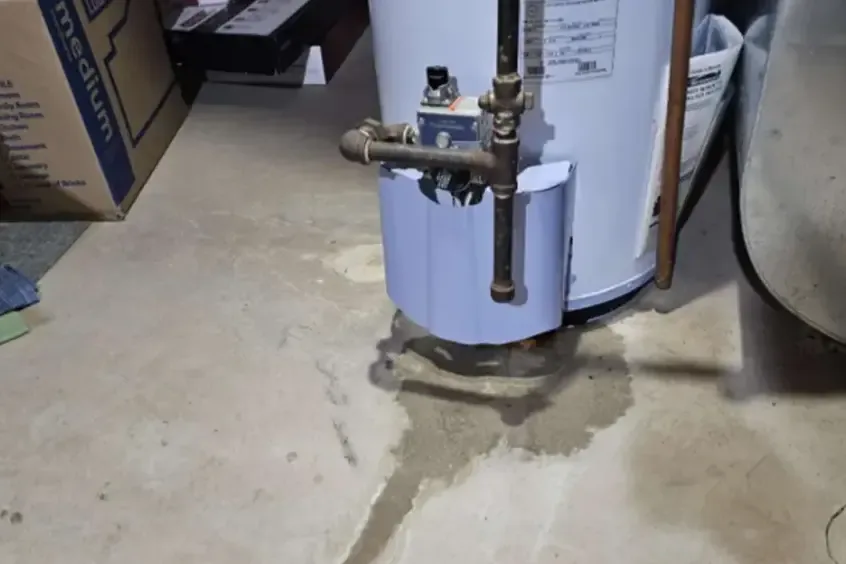 Water Heater Leak CleanupA leaking tank wets closets, floors and walls fast, so the water and power go off before cleanup.
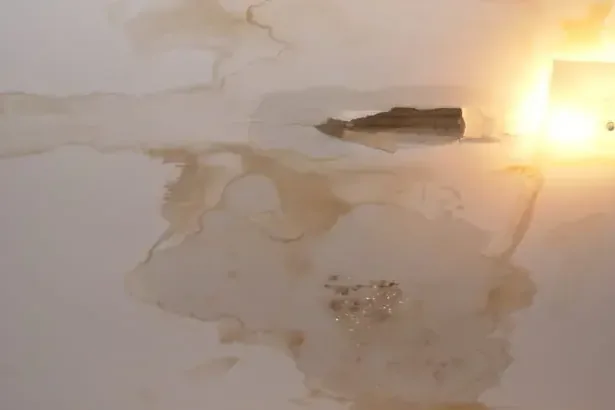 AC Condensate and Air Handler LeaksA clogged condensate drain or full pan drips into ceilings and walls, and humid air slows drying.
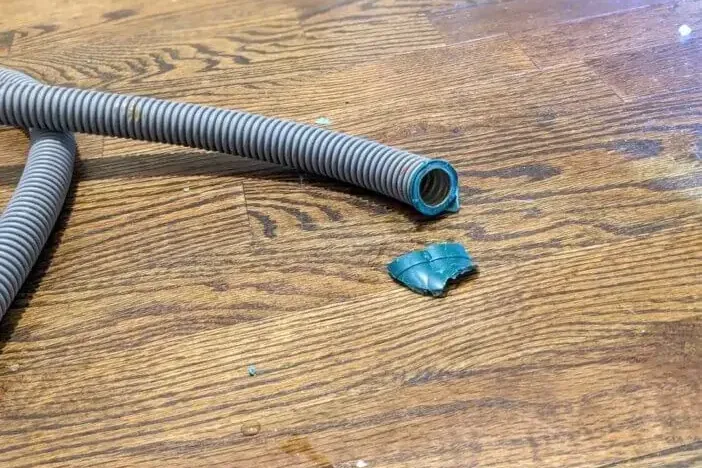 Appliance and Supply Hose LeaksWasher, dishwasher and ice maker leaks soak cabinets and floors, and meters show how far it spread.
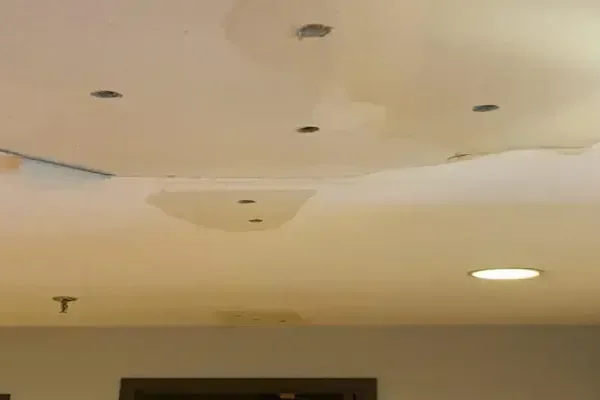 Ceiling Leak Water DamageWater from plumbing above or from the roof loosens drywall, so the wet section is opened and dried.
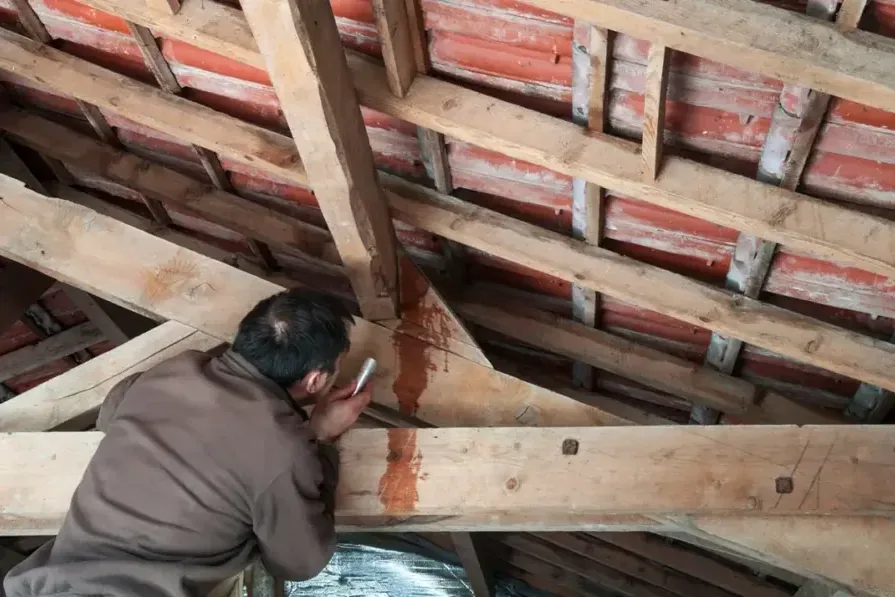 Roof Leak Water DamageRain past damaged shingles or flashing wets rafters, insulation and ceilings before anyone notices.
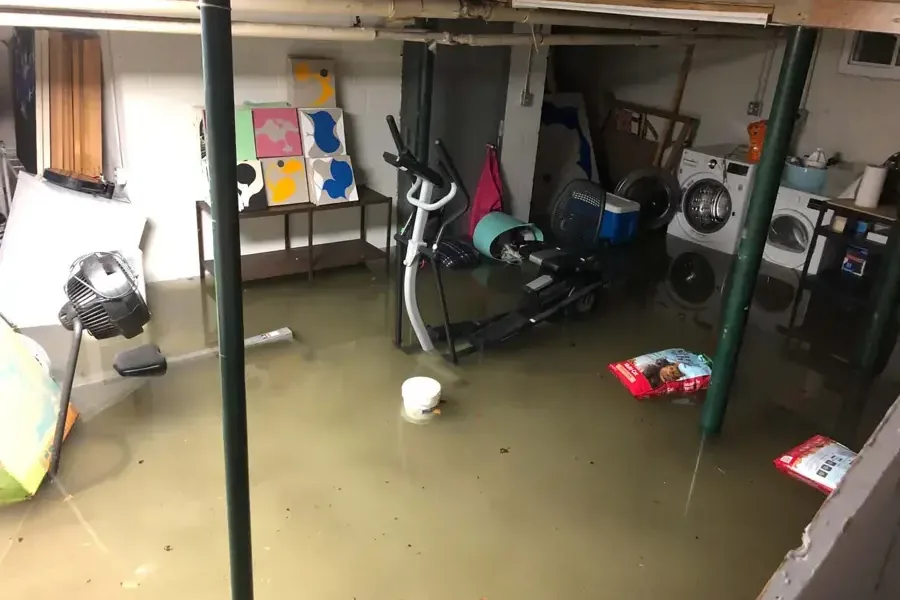 Hurricane and Tropical Storm Water DamageStorm rain soaks attics, walls and floors, and cleanup starts by drying what the storm reached.
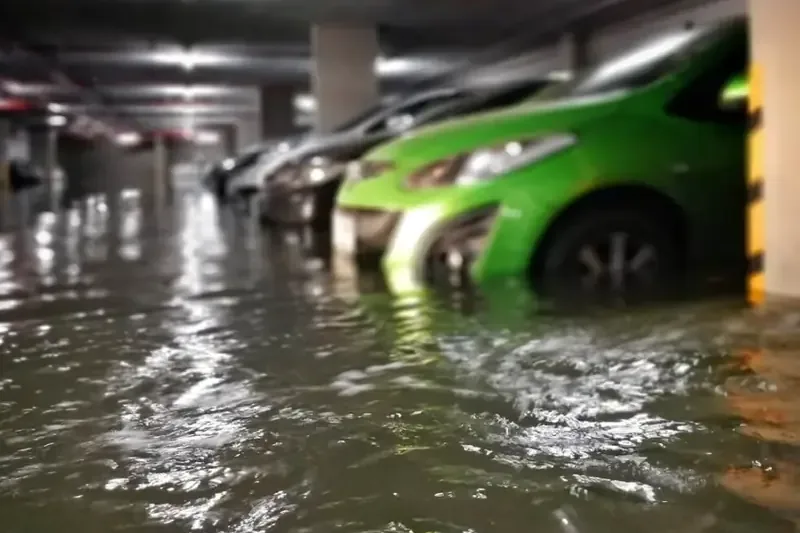 Flood Water CleanupGround level flood water counts as contaminated, so soaked materials come out before drying begins.
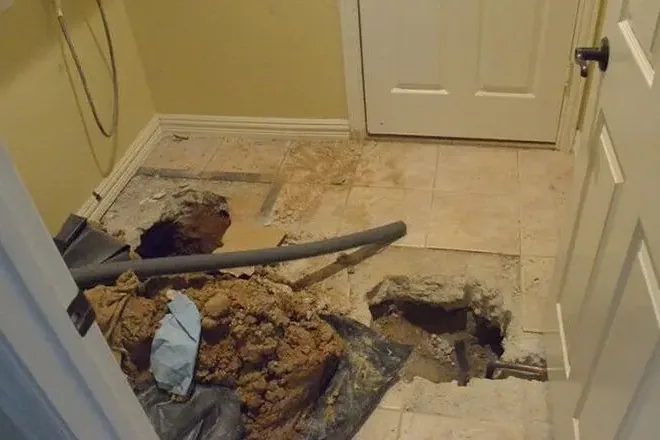 Sewage and Septic Backup CleanupSewage and septic backups carry bacteria, so affected materials are removed, then the area is cleaned and dried.
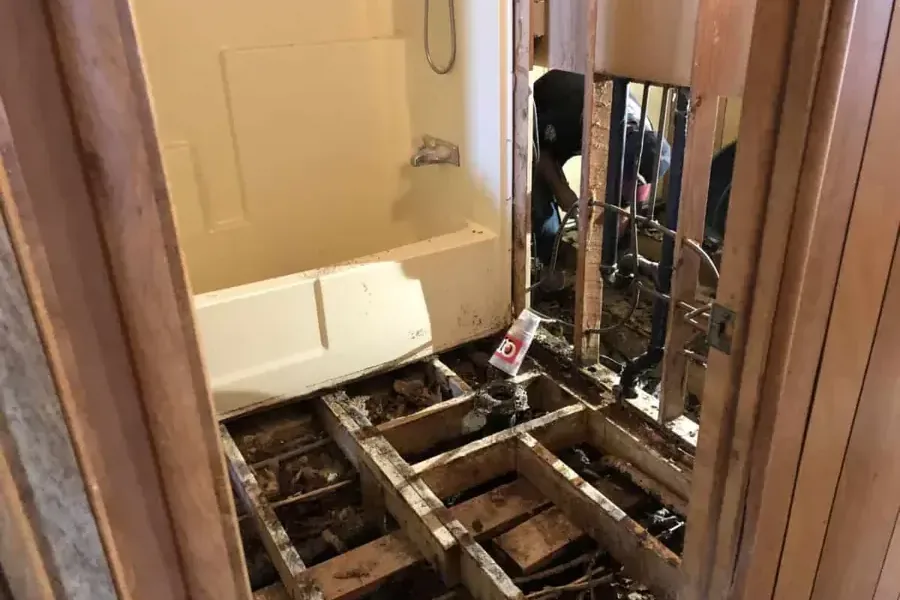 Manufactured Home Water DamageLeaks reach flooring, walls and the underside of a manufactured home, and each part dries differently.
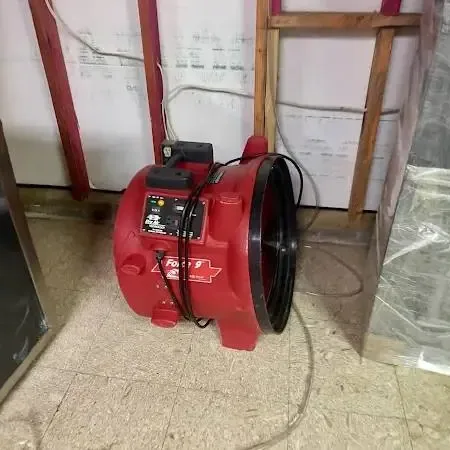
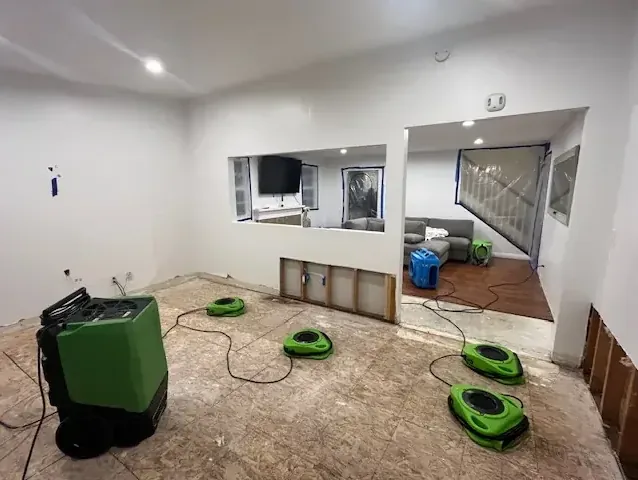 Structural Drying and DehumidificationAir movers and dehumidifiers run together while meters track each material until it reads dry.
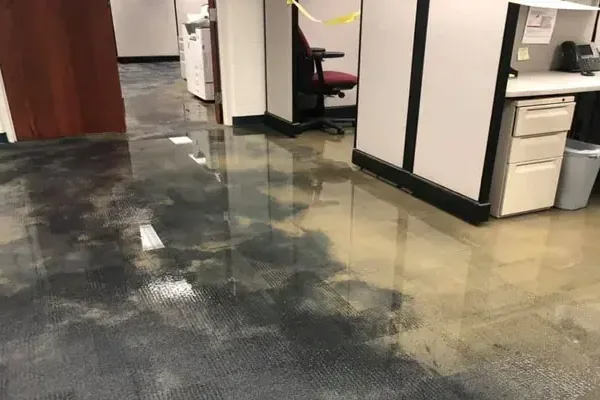 Commercial Water DamageOffices, shops and school buildings get a drying plan that protects unaffected areas and limits disruption.
What water damage cleanup tends to cost
Most Auburndale jobs land in one of three bands, depending on how much structure got wet, how long the water sat and whether it was clean, gray or black water. A plain look at the damage sets the real number.
- Clean supply water
- Extraction and air movers
- Readings until dry
- Several rooms wet
- Wet wall sections opened
- Longer drying run
- Whole floor or dirty water
- Materials removed and replaced
- Extended drying and cleaning
Estimates are ranges, not quotes. Hidden wet insulation, a bigger footprint or a pipe that ran for days can push a job into a higher band.
A drying standard the whole job follows
Every job follows the same sequence: stop the water, remove what cannot be saved, dry the rest and prove it with readings before anything is rebuilt.
Inspect and map
Technicians find the source, judge the water category and map every wet wall, floor and ceiling with meters and a thermal camera.
Extract and remove
Standing water is pulled out, then soaked carpet pad, insulation and drywall that cannot dry in place are cut out and bagged.
Dry with equipment
Air movers and dehumidifiers are placed to match the room, and the setup is adjusted as readings drop.
Verify and hand off
Final readings are compared with dry reference materials and the notes go to the adjuster.
What to do right after water appears
- Stop the source. Shut off the main water valve or the supply to the leaking fixture. If the water is coming from the roof, move belongings away.
- Make electricity safe. Turn off breakers for wet rooms and stay out of standing water near outlets, cords or appliances until power is off.
- Photograph everything. Take photos and short video of the damage and the source before moving things, since the adjuster will want to see how it looked.
- Move what you can. Lift small furniture, rugs and electronics onto dry surfaces and leave heavy cleanup to the crew.
- Call for extraction. The sooner standing water is pulled out, the less of the structure it reaches, because drywall and flooring keep wicking moisture.
Clean, gray and black water are handled differently
Category 1: clean supply water
A broken supply pipe or tank starts as clean water, which is extracted and dried quickly before it turns worse.
Water extractionCategory 2: used household water
Washing machine and dishwasher discharge carries soap and dirt, so soaked porous materials are often removed.
Appliance leaksCategory 3: sewage and flood water
Sewage backups and flood water carry contamination, so cleanup includes removal, cleaning and drying.
Sewage cleanupMoisture meters decide when the drying is finished
The job ends when readings say it ends, not when the room looks dry. Technicians record the numbers on the first visit and again as materials come down.
Meters before guesses
Moisture readings show wet framing and subfloor that still look fine, so the drying covers everything the water reached.
Plain pricing talk
Ranges are explained before work starts, and the reasons a bill moves up or down are stated in plain words.
Records for the adjuster
Photos, moisture logs and a written scope help the insurance claim move without anyone rebuilding the story later.
Water and sewage only
The team works on water losses, from pipe breaks to septic backups, and does not take on unrelated repair jobs.
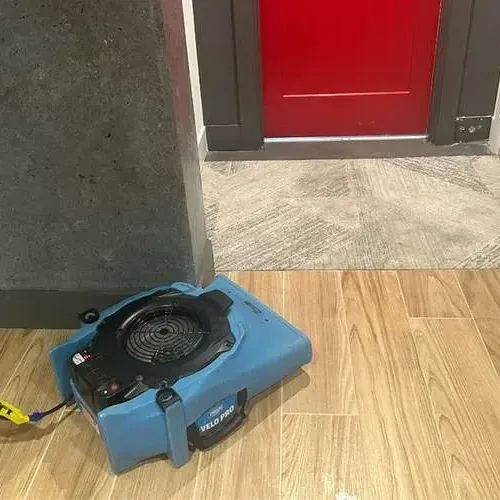
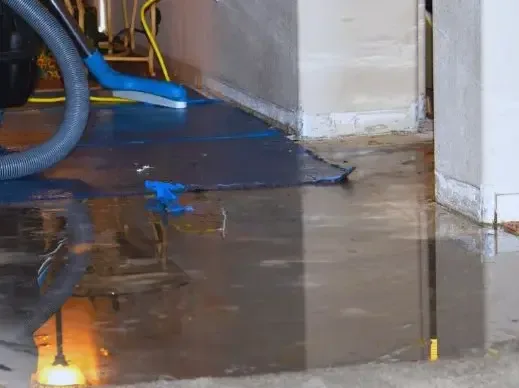
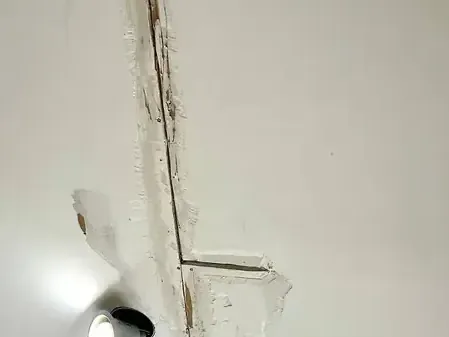
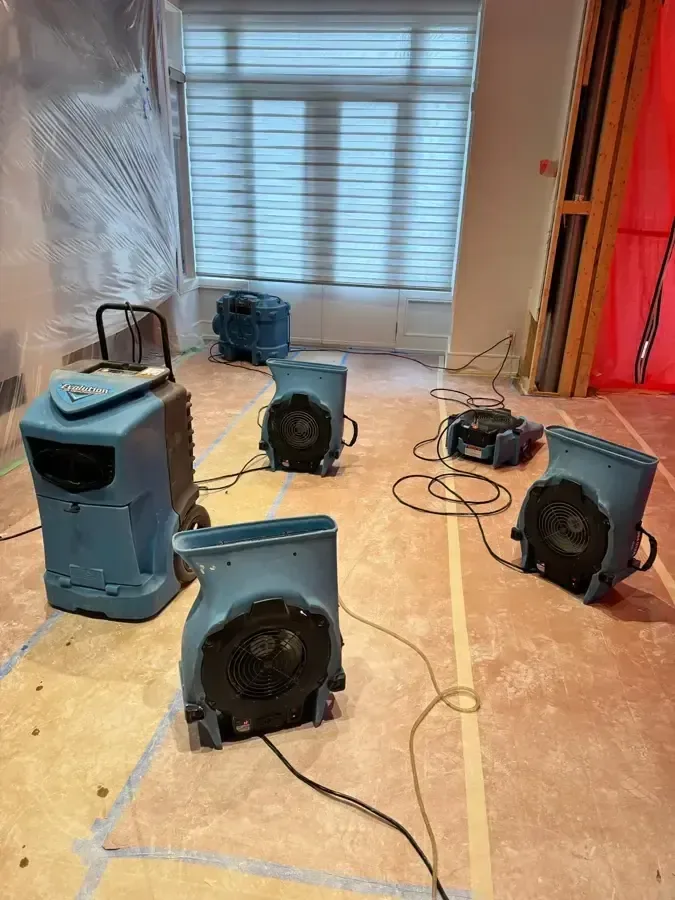
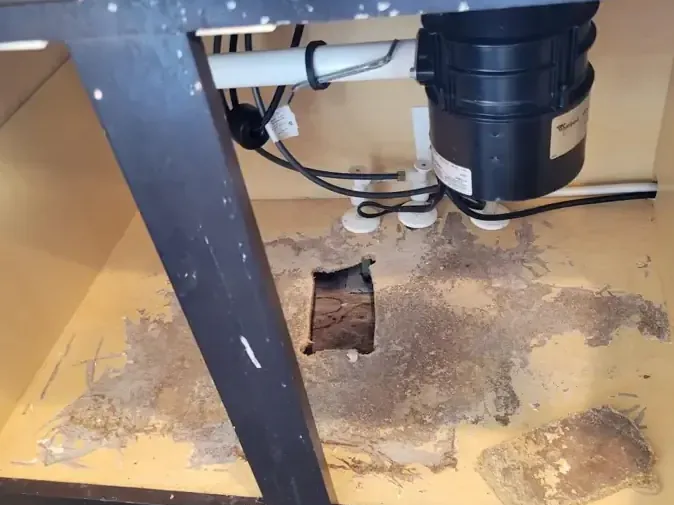
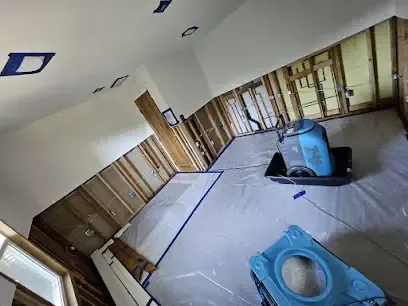
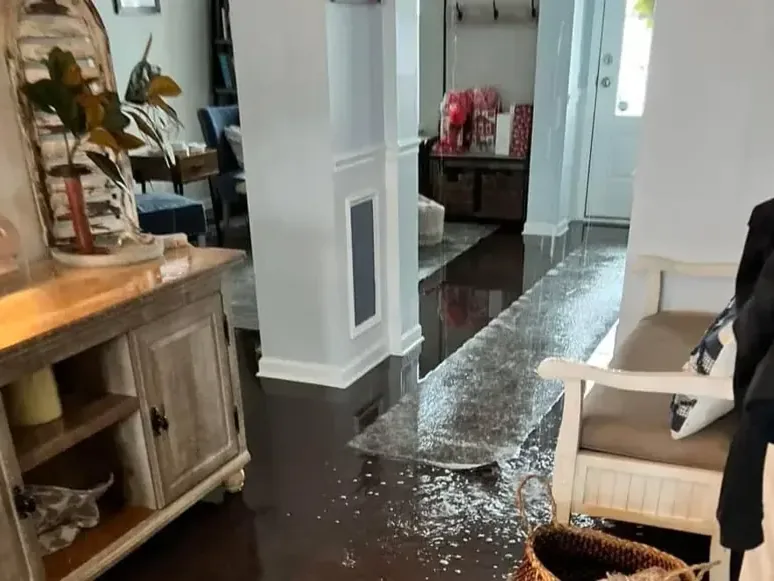
Extraction and drying equipment at work in homes
Getting the damage documented for your claim
Policies treat sudden leaks, long seepage and flood water differently, so the paper trail built in the first day matters more than most people expect.
What the homeowner can do
Report the loss to the insurer promptly, describe what happened in plain terms and ask what type of water damage the policy covers. Rising flood water is usually handled under a separate flood policy.
Hold on to damaged items until the adjuster has seen them, and keep every invoice from the cleanup work.
- Photos and video of the source and each wet room
- A list of damaged belongings
- Receipts for emergency repairs
- Moisture logs from the drying team
- The date and time the leak was found
Service across Auburndale and the surrounding Polk County area
ZIP code served
Roads and landmarks served
Nearby towns
Homes and businesses beyond these roads
Homes and businesses on the city's utility system are served, along with the surrounding service area and communities such as Arietta Point.
Anyone unsure whether an address falls inside the service area can describe the location by phone, and the team will confirm coverage and the first steps.
(888) 621-2041Ask about your addressHow the local climate and drainage affect homes
Auburndale has a humid subtropical climate, flat terrain interspersed with gently rolling hills, and water covering 43.87% of its total area, so moisture is a regular part of home upkeep.
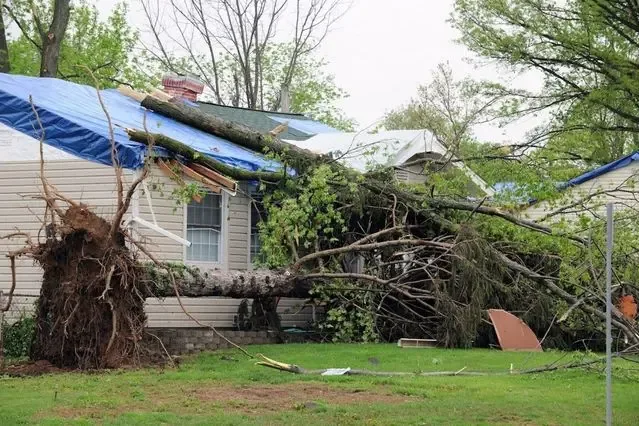
October 2024 Polk County Sheriff's Office listed the intersection of Kville Avenue and Sun Acres Boulevard in Auburndale among county roads blocked as Hurricane Milton brought damaging winds and heavy rain.
- Humid air slows dryingIn a humid subtropical climate, damp materials give up moisture slowly, so dehumidifiers matter as much as fans after a leak.
- Storm runoff and pondsCity plans size stormwater facilities for a 25-year, 24-hour storm, a design standard and not a forecast of flooding.
- Sewer and septic togetherThe City runs a public sewer through two wastewater plants, while its plan lets existing septic tanks stay in service until sewer becomes available, so a backup can involve either system.
- Water system leaksThe City's Public Utilities Department supplies the water, and EyeOnWater lets customers track household use, which can reveal a hidden leak long before a stain shows on a ceiling.
- Drainage on lower lotsOn July 29, 2019, Fox 13 reported yard flooding on Seville Road where rain meant to drain toward Lake Lena pooled on a lower lot, and Polk County said it would fund a new drainage system.
Water damage questions answered
How soon should standing water be removed?
As soon as it is safe to enter. Drywall, insulation and flooring keep absorbing moisture while water sits, and mold can begin to grow in the 24 to 48 hour window after a leak.
Should the power be switched off?
Yes, for any room where water has reached outlets, cords, appliances or the panel. Stay out of standing water until power is off, and have an electrician confirm the circuits before they are used again.
What separates clean, gray and black water?
Category 1 comes from clean supply sources, Category 2 carries soap or dirt from appliances, and Category 3 includes sewage and flood water. The category decides whether porous materials can be saved.
Does homeowners insurance cover water damage?
Policies commonly cover sudden, accidental leaks and exclude slow seepage and rising flood water, which needs separate flood coverage. The adjuster and the policy wording decide, so documentation helps.
Where are leaks in the city water supply reported?
The City's Public Utilities Department serves customers inside city limits and a surrounding service area, and its Utility Billing section takes reports of leaks, pipe breaks and lapses in service.
Can wet drywall be dried in place?
Often, when the water was clean and the board has not swollen or crumbled. Meter readings decide wall by wall, and saturated or contaminated drywall and insulation are removed instead.
What makes sewage backup cleanup different?
Sewage is Category 3 water, so affected materials are removed and the area is cleaned and sanitized before drying. Backups can involve a public sewer or a septic tank, since existing septic tanks may stay in service until sewer is available.
Is storm water through the roof flood damage?
Rain entering through a damaged roof is usually treated differently from water that rises from the ground. Insurers decide which applies, so photograph the opening and the source of the water.
How is it known the structure is dry?
Moisture meters read the framing, subfloor and drywall, and the numbers are compared with dry reference materials. Structural drying equipment stays until readings stop dropping and match the dry targets.
Can a business keep operating during cleanup?
Often, when wet areas can be sealed off with containment and equipment is placed away from walkways. The plan depends on how far the water spread and what kind it was.
Water damage in Auburndale does not wait for business hours
Describe the damage by phone and the team will explain how extraction and drying would begin.