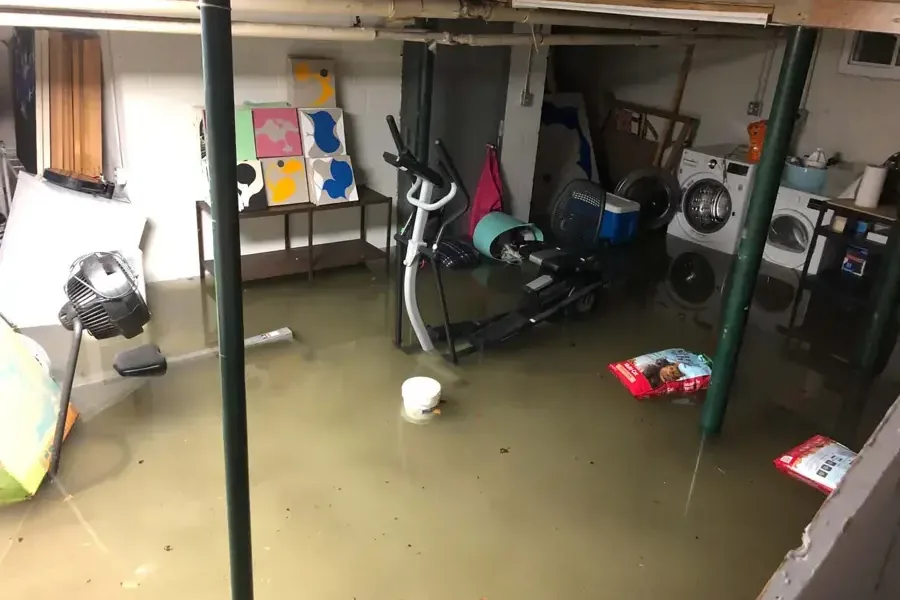
A tropical system can bring rain from the side, from above and from the ground at once. Hurricane Milton in October 2024 put the Kville Avenue and Sun Acres Boulevard intersection in Auburndale on the Polk County Sheriff's Office list of blocked county roads, as damaging winds and heavy rain moved through.
How storm water gets inside
- Shingles, flashing and vents lifted by wind
- Windows and doors pushed past their seals
- Gutters and drains overwhelmed by heavy rain
- Water pushed under thresholds and garage doors
- Branches or debris opening the roof
Storm water is inside and more may be coming. Describe the damage and the cleanup steps can be explained.
Request storm water dryingSorting rain damage from flood water
Rain that blows through a damaged roof or window is usually clean at first, but it picks up dirt as it travels through attics and walls. Water that comes in at ground level from the yard or street is treated as contaminated, and the flood water cleanup service covers that path.
Why drying takes attention here
The area has a humid subtropical climate, so wet materials dry slowly and mold has an easy path once the 24 to 48 hour window passes. Dehumidifiers run along with air movers, and readings, not the weather, decide when equipment can come out.
Wind openings in the roof are covered separately under roof leak water damage, and the equipment side is explained under structural drying. Each house is measured on its own readings, since two homes on one street can take in very different amounts of water.
Hurricane and Tropical Storm Water Damage in short
After a storm, water that entered through the roof, windows or doors is extracted, wet materials are removed or dried, and each room is documented for the insurer.