Storm water damage

Hurricane and Tropical Storm Water Damage in Groveland

Wind can lift shingles, break windows and drive rain sideways into walls and attics. The January 24, 2019 storms that crossed Lake County did their most substantial damage in the Groveland area, so storm cleanup is a real local need.

(888) 621-2041Call about storm water damage
Roof and window openings Wet drywall removal Whole house drying
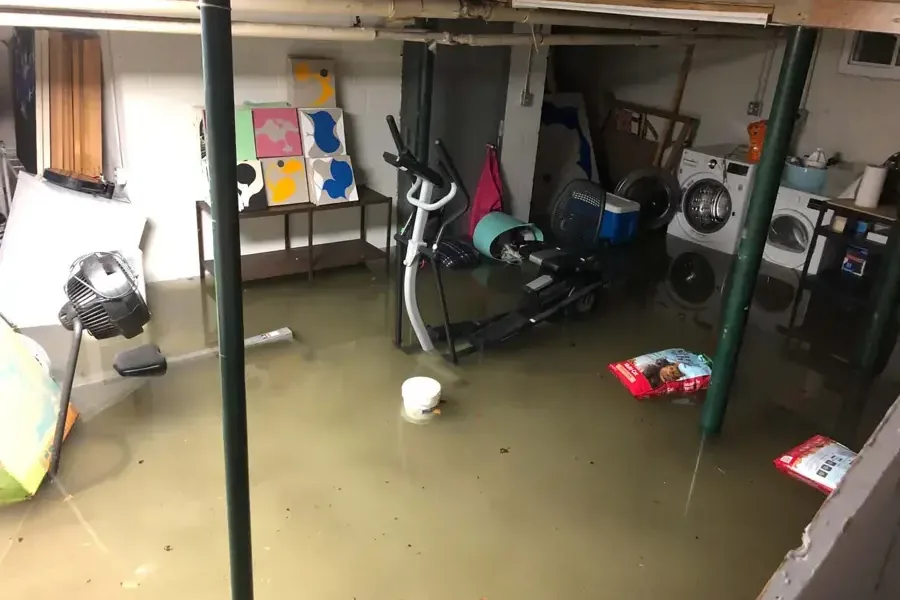
Storm water spread across a garage floor around stored furniture and an exercise bike
CauseWind and heavy rain
Entry pointsRoof, windows, siding
First moveCover openings
Range$2,500 to $45,000+
Typical cost

What does hurricane and tropical storm water damage cost in Groveland, FL?

Storm damage that stays to a few rooms and comes from rain alone often runs $2,500 to $7,000. Damage across much of the house runs $7,000 to $18,000, and a roof opening or flood water can push the total toward $45,000 or more.

A few rooms, rain only
$2,500 to $7,000
  • Ceilings opened
  • Insulation removed
  • Dehumidifiers running
Much of the house
$7,000 to $18,000
  • Flooring removed
  • Walls dried
  • Extended drying
Roof opening or flood water
$18,000 to $45,000+
  • Debris handling
  • Disinfecting
  • Rebuild scope likely

What moves the number: the water category, how many square feet got wet, the material class and how soon drying began.

For a closer planning range, run the water damage cost calculator. These ranges are typical, not a quote.

Do this now

First moves when you find hurricane and tropical storm water damage

  1. Cover the openings

    Tarps and boards keep more rain out of the home.

  2. Extract the water

    Pumps and wet vacuums clear standing water.

  3. Remove what cannot dry

    Soaked insulation, drywall and carpet padding come out.

  4. Dry and record

    Equipment runs while photos and readings build the claim record.

The process

How hurricane and tropical storm water damage gets handled, step by step

  1. Cover

    Close roof and window openings.

  2. Extract

    Clear the standing water.

  3. Remove

    Take out wet materials.

  4. Dry

    Run equipment to target.

Storm water damage often combines problems. A damaged roof lets rain in from above, broken windows let it in from the side, and wet insulation and drywall hold the water long after the weather clears. The first priority is covering the openings, then removing the water and drying every layer.

What storms leave behind

  • Rain through a torn roof or missing shingles
  • Water around broken or leaking windows
  • Wet attic insulation and sagging ceilings
  • Soaked carpet near doors and walls
  • Debris and standing water in garages

Storm damage inside the house? Cover the openings if it is safe and describe what the weather did.

Report the storm water

What the January 24, 2019 storms showed

On that date severe storms with a possible tornado crossed Lake County, and Groveland saw the most substantial damage. Lake County Emergency Management reported multiple structures damaged and one home destroyed, so roofs and trees are the local pattern to plan around.

Cleanup order

Openings are covered first, standing water comes out next, and drying follows with air movers and dehumidifiers. Wet insulation and drywall that cannot dry are removed, and photos and moisture readings go into the claim record. Windows and doors that leaked get a closer look, because water can run down the inside of a wall from a failed seal and stay hidden for days. Moisture mapping shows where it stopped.

Rain through the roof gets more detail on the roof leak page, and rising water is handled on the flood water page.

Hurricane and Tropical Storm Water Damage in short

Storm restoration removes rain and flood water, dries walls, ceilings and flooring, and documents the damage for the insurer after wind or heavy rain breaks through the roof, windows or siding.

Service area

Hurricane and tropical storm water damage here and in nearby communities

Service area map

Storm cleanup covers ZIP codes 34736 and 34737, including Lexington Estates and Lexington Village, the stretch around South Lake Avenue, and homes along State Road 19 and State Road 33/50, with tarped roofs and wet ceilings handled first.

The same service nearby: hurricane and tropical storm water damage in Dade City, Mascotte, Bushnell.

Water damage restoration in Groveland · every town covered

FAQ

Hurricane and Tropical Storm Water Damage questions, answered

Do the openings have to be covered before drying?

Yes. Rain that keeps entering will soak the area again, so tarps or boards go on before the drying equipment is set.

Is storm water different from a pipe leak?

It can be dirtier. Rain that crosses a roof or yard carries debris, and flood water is contaminated, so affected materials are removed more often than with a supply pipe leak.

What does the insurer need after a storm?

Photos of the damage, the date of the storm and a list of damaged items are the usual starting point. The team's moisture logs help the adjuster.

Can power be used in a wet house?

Not safely when water reached outlets, appliances or the panel. Have an electrician check the system before power is restored.

Why are roofs and trees a local concern?

The January 24, 2019 storms destroyed a roof and knocked down many trees in the Groveland area, and either one can open a home to rain.

24/7 emergency dispatch

Wet ceilings and soaked floors after a storm need drying before they spread

Describe the openings, the wet rooms and any standing water, and the team will explain how the cleanup is sequenced.

(888) 621-2041 · extraction crews 24/7