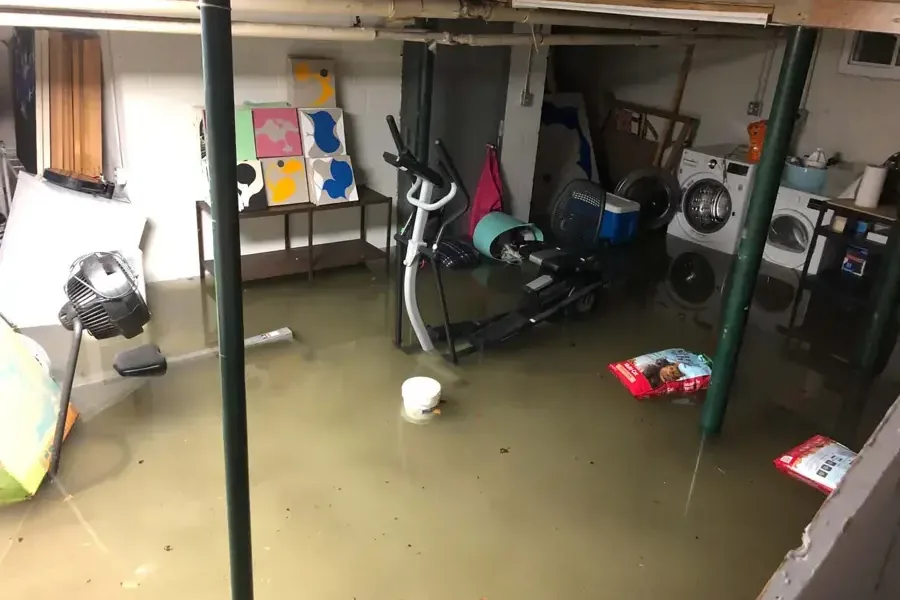
Tropical systems rarely damage a house with water alone. Wind tears shingles, shifts flashing and breaks seals, and then rain follows the opening through the attic and into ceilings, walls and floors. Because the water arrives with debris and dirt, it often starts out contaminated instead of clean.
How storm water gets inside
- Shingles and flashing lifted by wind
- Windows and doors that leak at the seals
- Garage doors that flex and let water under
- Fallen branches that open the roof
- Low doorways where runoff reaches the threshold
Describe the openings and which rooms are wet, and the crew explains how storm water would be extracted and the house dried.
Bushnell storm water helpSumter County and Hurricane Milton
In October 2024, flooding after Hurricane Milton was a concern in Sumter County along the Withlacoochee River. Officials urged people living along the river to evacuate if they did not feel safe, and the county opened a shelter that accepted pets at the Sumter County Fairgrounds. The reports describe the county and do not name Bushnell as flooded.
Cleanup after the storm
Standing storm water is extracted first, then ruined carpet and wet drywall are removed and the rooms are dried with air movers and dehumidifiers. Photos are taken before cleanup so the insurer can see each opening, and flooded rooms are covered under flood water cleanup. Damaged belongings are listed and set aside for the adjuster. Wet insulation in the attic is checked as well, since it holds water long after the rain stops.
Roof openings are covered under roof leak water damage.
Hurricane and Tropical Storm Water Damage in short
Wind driven rain enters through damaged roofs, broken windows and doors, soaking ceilings and floors. The crew extracts storm water, removes ruined materials and dries the structure.