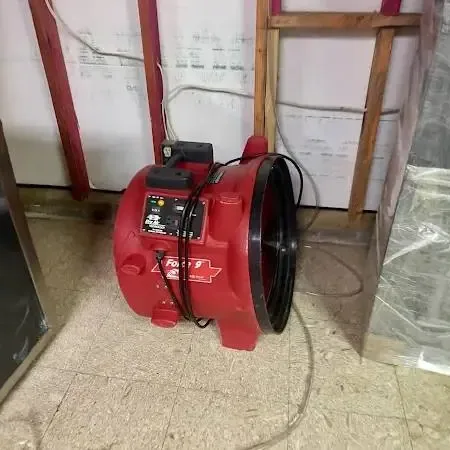
Water Damage Restoration in Groveland, FL
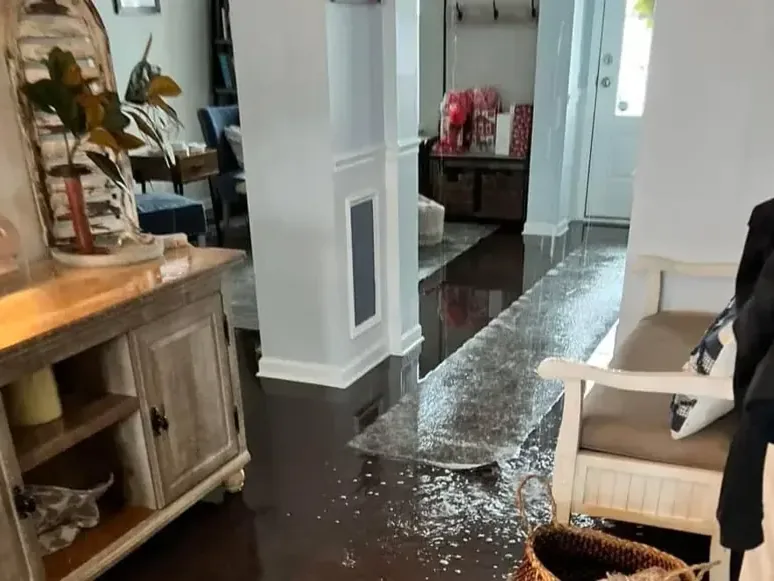
A burst pipe, a failed water heater or a ceiling soaked by a storm needs quick action in Groveland. Extraction comes first, then controlled drying pulls out the moisture hiding in walls and floors.
The work covers water and sewage only. Drying readings and photos are kept so the insurer has a clear record of the loss.
Water damage services for homes and businesses
Each service below has its own page with the process, the cost range and answers to common questions. Pick the one that matches what the water did, or start with extraction.
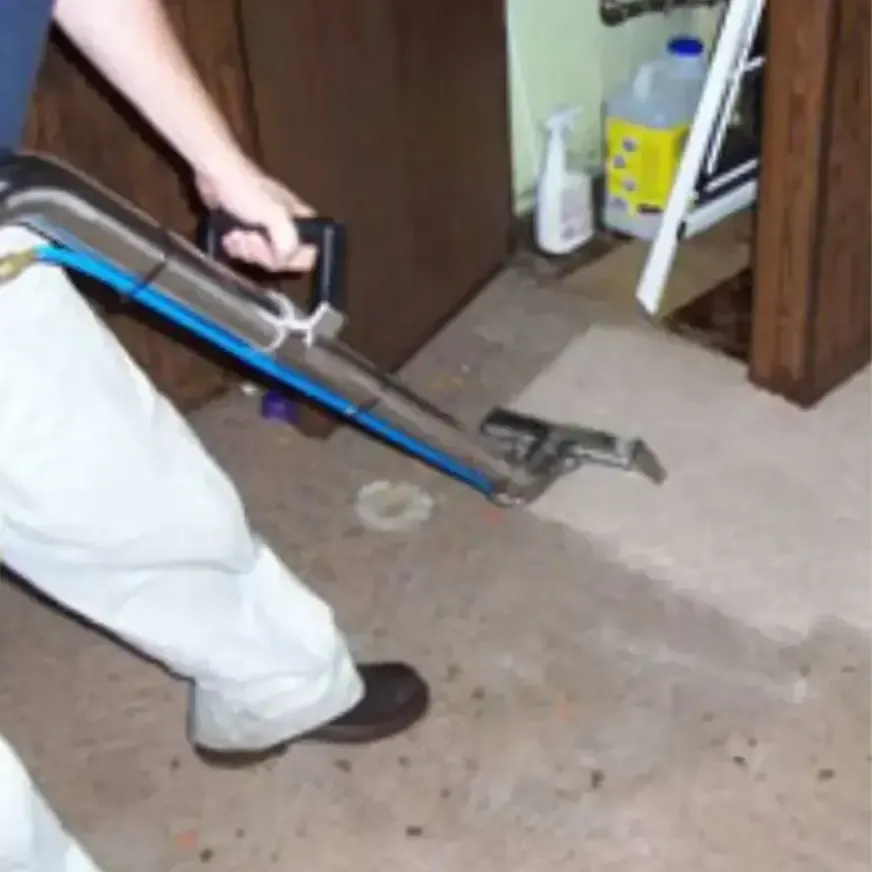 Water Extraction and RemovalPumps and wet vacuums pull standing water out first, which limits how far it soaks into flooring and drywall.
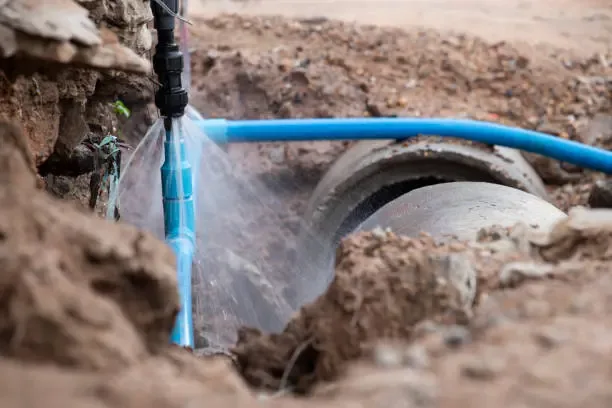 Burst Pipe Water DamageA split supply pipe can empty a lot of water into walls in a short time, so the shutoff and extraction come first.
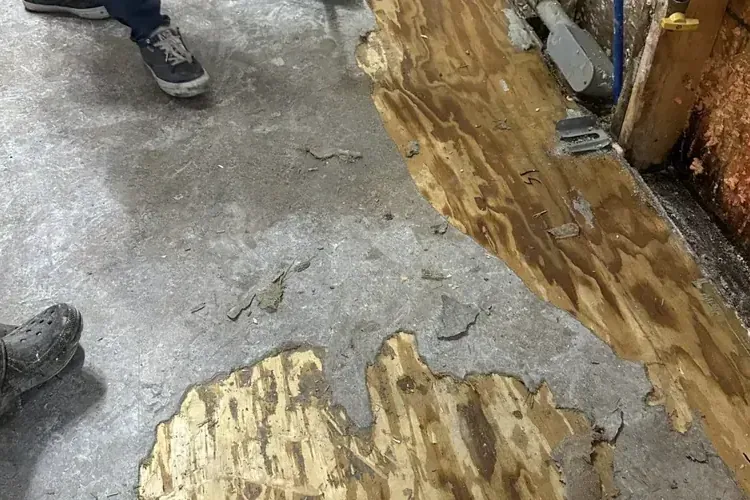 Slab Leak Water DamageDamp flooring, warm spots or a high water bill can point to a leak beneath a concrete slab.
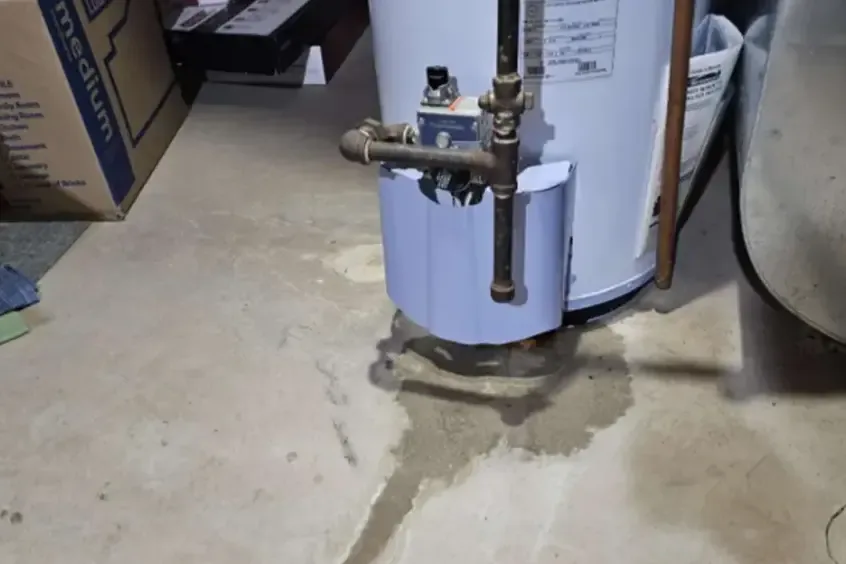 Water Heater Leak CleanupA failed tank soaks the flooring and drywall around it, and prompt extraction keeps the spill from spreading.
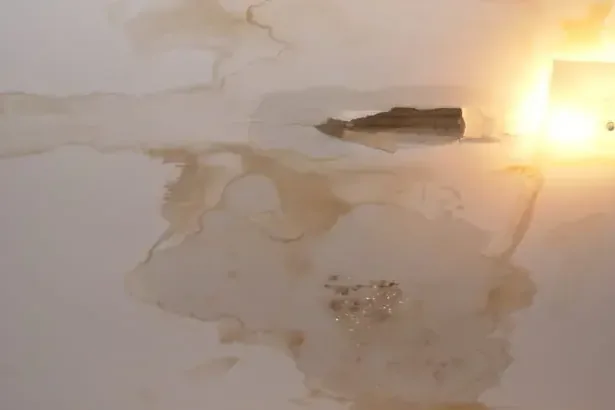 AC Condensate and Air Handler LeaksA clogged condensate drain can overflow into the ceiling, walls and flooring below the air handler.
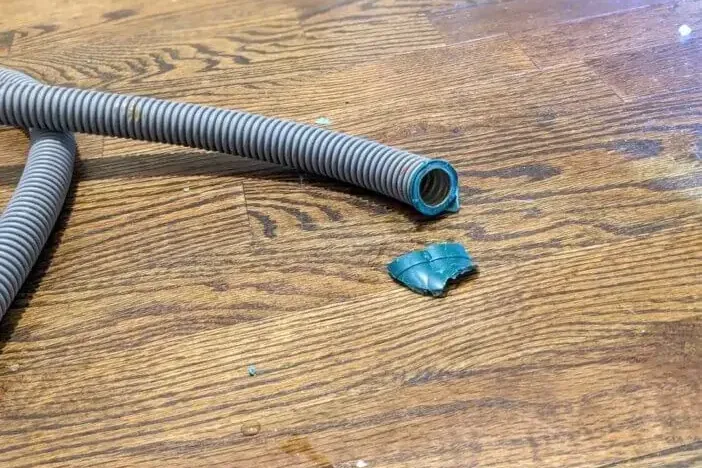 Appliance and Supply Hose LeaksWasher, dishwasher and refrigerator hoses can leak out of sight behind or under the appliance.
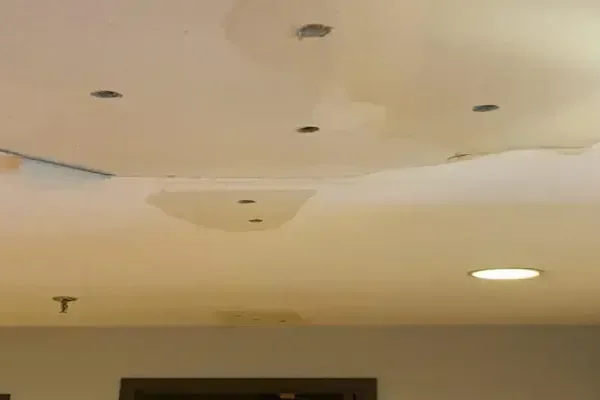 Ceiling Leak Water DamageCeiling stains trace back to the roof, upstairs plumbing or an AC drain, and each cause needs its own repair.
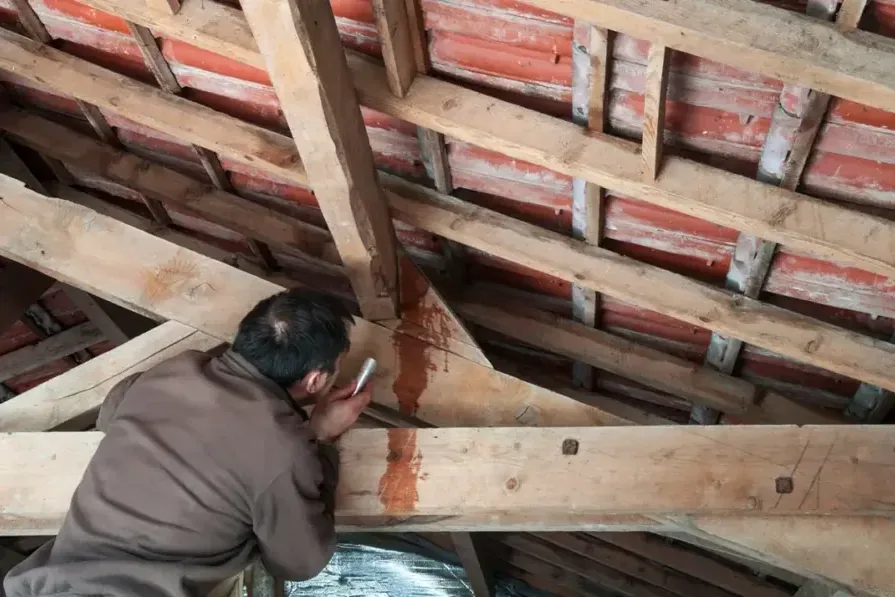 Roof Leak Water DamageStorm damage that opens a roof lets rain into the attic and the ceilings below it.
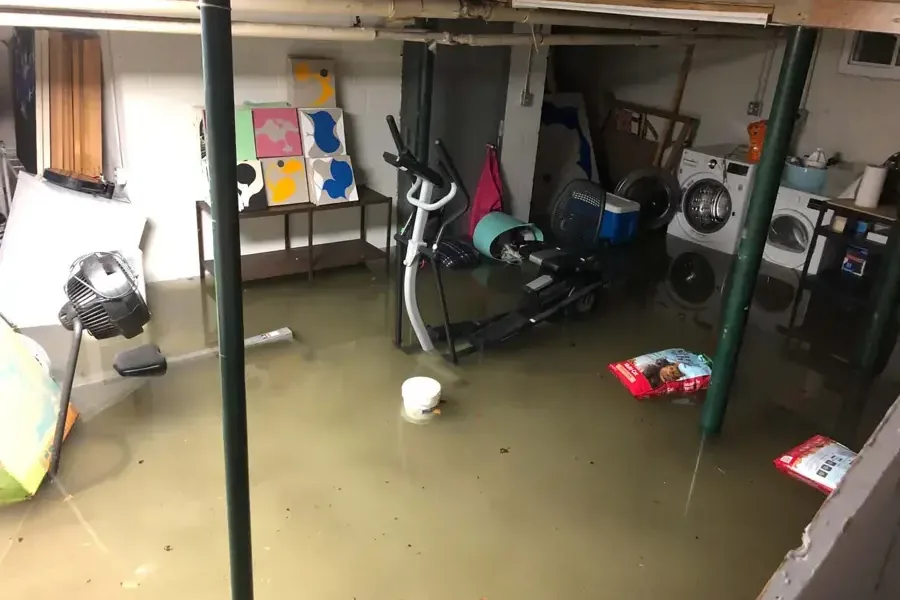 Hurricane and Tropical Storm Water DamageWind and heavy rain can push water through damaged roofs, windows and siding into the rooms inside.
 Flood Water CleanupRising water and heavy runoff carry dirty water indoors, and the cleanup begins with removing every bit of it.
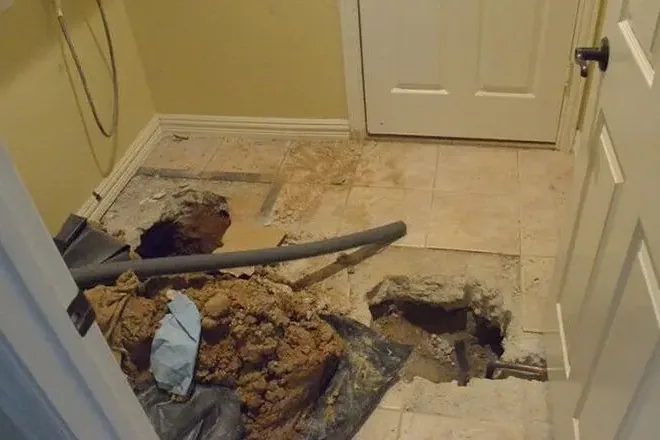 Sewage and Septic Backup CleanupA sewage backup is contaminated water, so removal and disinfecting are done with protective gear.
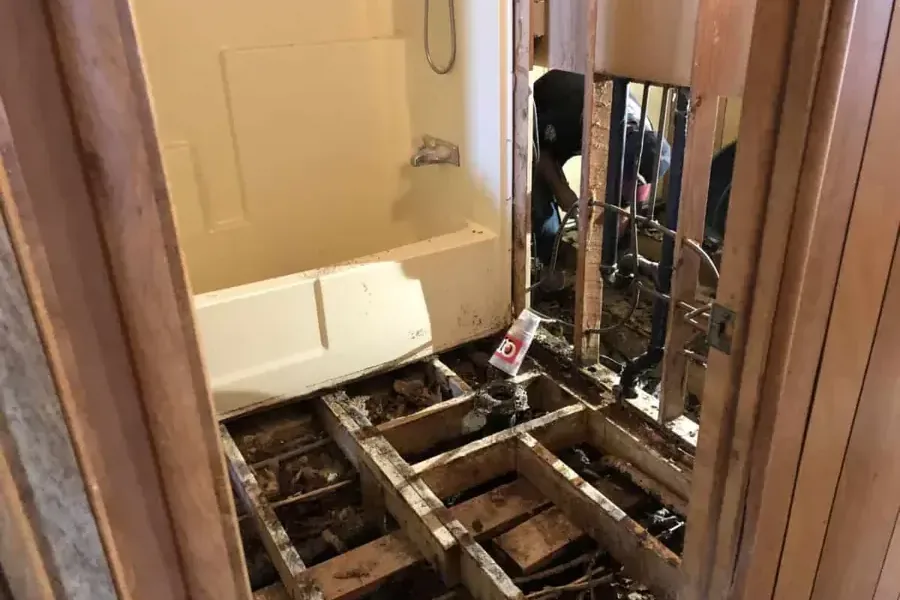 Manufactured Home Water DamageLighter wall and floor construction in a manufactured home means moisture needs drying without delay.
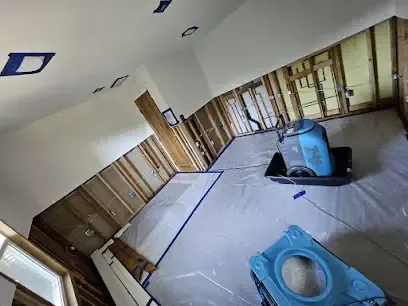
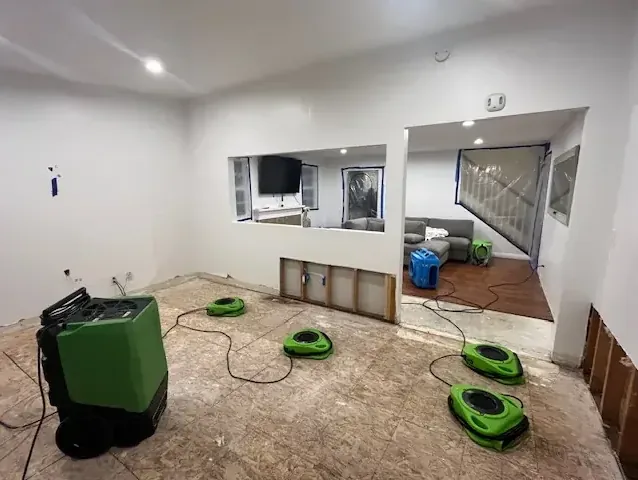 Structural Drying and DehumidificationAir movers and dehumidifiers dry the framing, subfloor and drywall that extraction alone cannot reach.
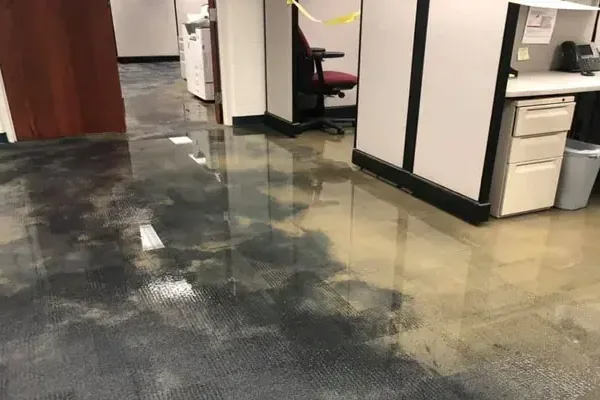 Commercial Water DamageOffices, shops and food service businesses need cleanup that limits downtime and protects stock.
Typical price ranges for water damage cleanup
Small jobs start near $800 and large ones pass $15,000, depending on how much water there was, how long it sat and how many rooms it reached. The figures below are ranges, not quotes.
- One room affected
- Clean water source
- Extraction and drying
- Walls and flooring wet
- Some material removed
- Longer drying time
- Much of the home affected
- Rebuild scope likely
- Contaminated water possible
Insurance may cover sudden and accidental water damage, but policies differ. The final price depends on the materials, the type of water and the days of equipment needed.
Drying work that follows an industry standard
The crew follows the IICRC S500 water damage standard, with moisture readings taken at the start and again on each visit until the structure is dry.
Assess
The team traces the water source, checks every affected material and takes moisture readings in each wet room before choosing equipment.
Extract
Pumps and wet vacuums remove standing water, and soaked padding or debris is taken out of the rooms.
Dry
Air movers and dehumidifiers run through the wet rooms while a thermal camera shows where moisture still lingers in the walls.
Verify
Final readings are compared with the dry areas of the home, and the equipment is removed only when the two sets of numbers match.
What to do while the water is still spreading
- Stop the source. Shut off the water at the main valve or the appliance, and cut power to wet areas only if the panel is dry and safe to reach.
- Call for help. Describe what leaked and how far it spread, so the team can bring the right pumps, air movers and dehumidifiers.
- Protect belongings. Lift small furniture, rugs and electronics onto dry surfaces, and leave heavy pieces where they stand.
- Take photos. Photograph the water, the damaged items and the source before any cleanup begins.
- Skip the shop vacuum. A household vacuum is not built for standing water, and wet carpet is better handled with proper extraction gear.
Three kinds of water damage and how each is handled
Clean water leaks
Supply pipes, tanks and broken hoses release clean water that dries best when it is removed early.
See water extractionAppliance water
Washers, dishwashers and refrigerators leak slowly, and the damp can sit behind cabinets or under flooring.
See appliance leaksSewage and dirty water
Sewage and flood water carry contamination, so affected materials come out and the area is disinfected.
See sewage cleanupWater damage work built around drying, not just cleanup
Visible water is only part of the job. The team measures moisture inside walls and subfloors, then keeps drying until the readings match the dry parts of the home.
Moisture mapping
Meters and a thermal camera find wet material hiding behind surfaces that look perfectly dry.
Drying to a target
Equipment from structural drying stays in place until readings show the framing, subfloor and drywall are back to a dry standard.
Plain cost talk
Price ranges are explained up front, and the final figure follows what the site visit shows about the damage.
Records for the insurer
Photos, readings and a written scope support the claim conversation with the adjuster.
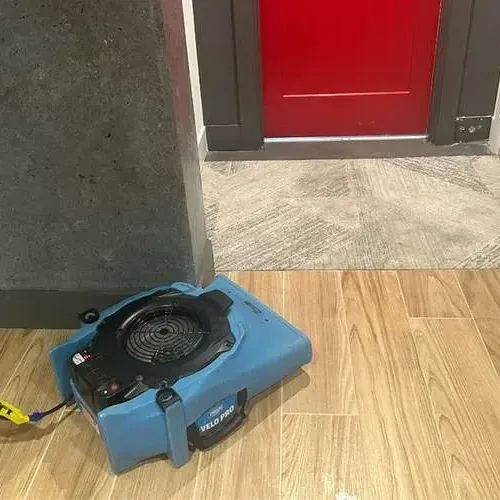
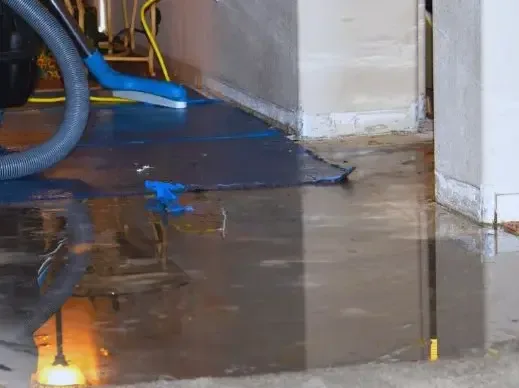
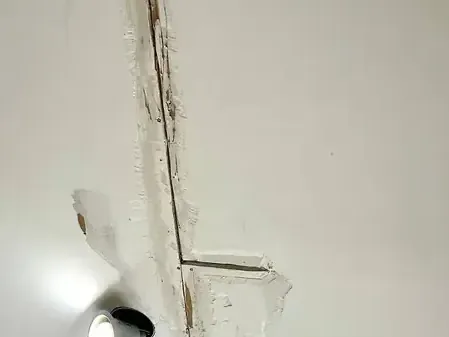
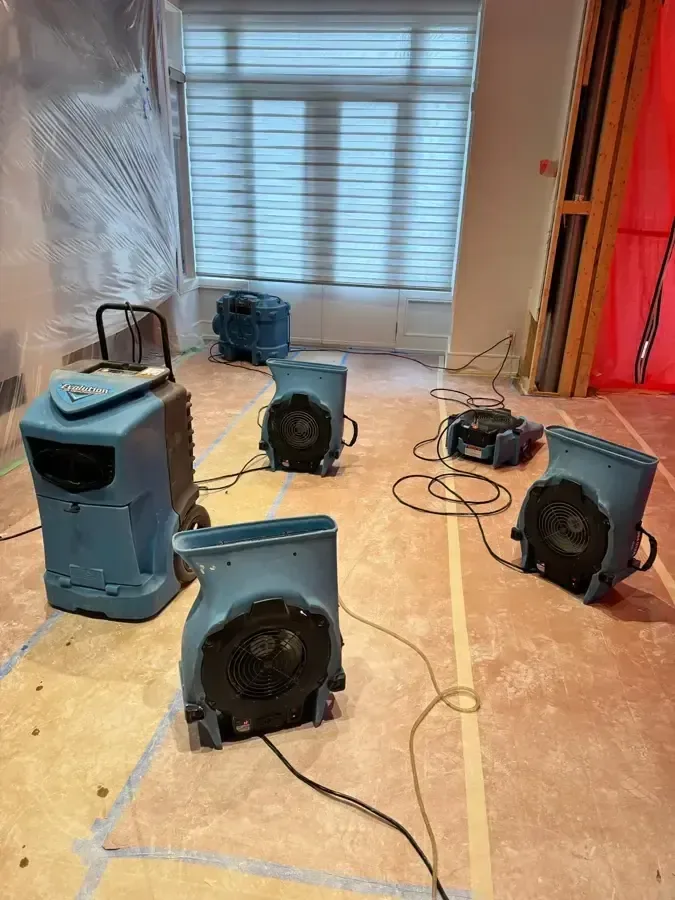
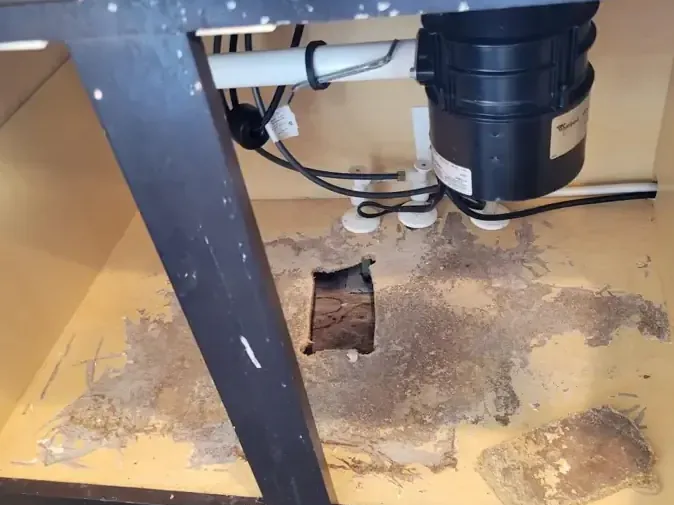
Extraction and drying equipment at work inside homes
Document the loss for your insurer
A clear record makes the claim conversation easier. The team keeps photos, moisture logs and a written scope that the adjuster can look over.
Handling the claim yourself
Policies differ, so read the water damage section and ask the insurer what counts as sudden and accidental. Keep every moisture record the team produces, because adjusters often ask for them.
Do not throw out damaged materials until the adjuster has seen them or photos exist.
- Photos of the water and damaged items
- The date and cause of the leak
- Moisture readings from each room
- Receipts for emergency repairs and equipment
- A list of damaged belongings
Water damage coverage across the city and the rest of Lake County
ZIP codes served
Main roads and districts
Nearby towns
Water on the floor anywhere in the city?
Crews work across both ZIP codes, including the neighborhoods of Lexington Estates and Lexington Village, and along the State Road 19 and State Road 33/50 corridors.
Businesses near the industrial park and South Lake Avenue get the same extraction and drying service as homes. Call with the address.
(888) 621-2041Call about water in your buildingStorms and growth shape water risk here
Groveland grew from 7,901 residents in 2000 to 18,505 in 2020, and its housing units grew from 921 to 6,880. More homes means more roofs, hoses and drains that can fail.
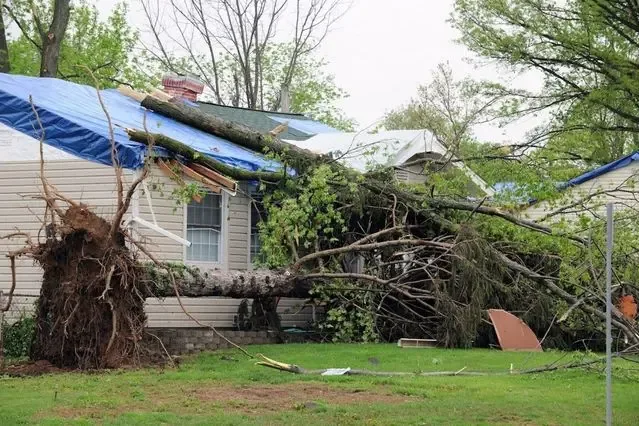
January 24, 2019 Severe storms with a possible tornado crossed Lake County. The most substantial damage was in the Groveland area, where a roof was destroyed and many trees were knocked down.
- Storm roof damageThe January 24, 2019 storms destroyed a roof in this area, and a roof opening is how rain reaches attics, ceilings and the rooms below.
- Fallen treesMany trees came down in those storms, and a tree that lands on a house can open the roof and let rain pour inside.
- Water on the mapAbout 24.1% of the city's total area is water, so cleanup after heavy rain or rising water is a real local topic, and risk varies from one property to the next.
- A growing housing stockEvery home has supply hoses, a water heater and an AC drain that can fail, and more homes means more places for a leak to start.
- Sewer and greaseThe city runs a fats, oils and grease program for food service businesses, because grease in the sewer pipes is a common cause of backups.
Water damage questions answered
How fast should water be removed after a leak?
As soon as it is safe, because wet drywall, subfloor and carpet absorb more water the longer it sits. Mold can begin to grow in 24 to 48 hours on wet materials.
Does homeowners insurance pay for water damage cleanup?
Many policies cover sudden and accidental water damage, such as a burst pipe, and exclude slow leaks and flooding. Policies differ, so ask the insurer before work starts and keep photos.
What is the difference between extraction and drying?
Extraction removes standing water with pumps and wet vacuums. Drying then removes the moisture left in walls, floors and framing with air movers and dehumidifiers.
How can I tell if water is hiding in a wall?
Look for bubbling paint, a musty smell, warped baseboards or a soft spot in drywall. A moisture meter and thermal camera confirm what the eye cannot see.
Can I stay in the house during cleanup?
Often yes for a small clean water leak. A sewage backup or a flood that reached several rooms may make parts of the home unsafe until the work is finished.
What does a sewage backup cleanup involve?
Crews wear protective gear, remove the contaminated water and any porous materials it touched, then clean and disinfect the area. Carpet and padding that absorbed sewage are usually discarded.
How much does water damage restoration cost?
Small clean water jobs run $800 to $2,500, several rooms run $2,500 to $6,500, and large or long running damage runs $6,500 to $15,000 or more. The site visit sets the real number.
Do businesses get the same service as homes?
Yes. Offices, shops and restaurants get extraction, drying and documentation, with the work scheduled to limit lost business days and protect inventory.
Will wet carpet and drywall have to be removed?
It depends on the water type and how long the material stayed wet. Clean water caught early often lets carpet and drywall be dried in place, while dirty water means removal.
Why does drying equipment stay for several days?
Water sinks into framing and subfloors that feel dry on the surface. The equipment keeps running until meter readings match the dry areas, so hidden moisture does not turn into a bigger repair.
Wet floors and soaked walls need attention before they spread
Describe what happened and the team will explain the next step and the likely cost range.