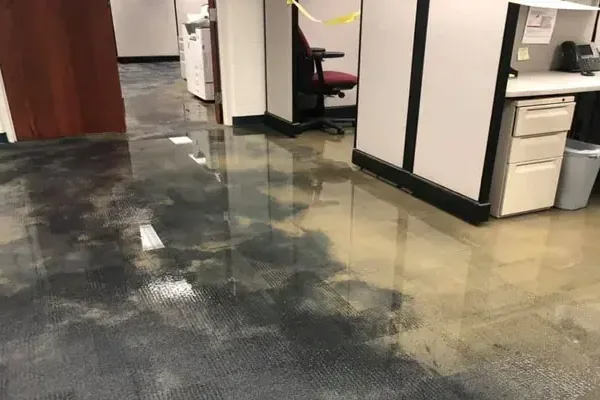
A wet floor in a business costs more than the repair. Staff cannot work, stock sits in water and customers go elsewhere. Commercial water damage work is planned around the business, with extraction first, drying that fits the building and records that satisfy the insurer.
What commercial jobs involve
- Offices with carpet tile over concrete
- Retail floors and stockrooms
- Restaurant kitchens and dining rooms
- Warehouses and shop floors
- Shared walls and ceilings between suites
Water on the shop floor or in the office? Describe the space and the drying team will plan around the business.
Report the commercial waterLocal commercial context
Groveland has an industrial park of 1,000 acres, and the city's website lists a South Lake Avenue Improvement Project and a Community Redevelopment Agency. Food service businesses also fall under the city's fats, oils and grease program, which is aimed at keeping grease out of the sewer pipes.
Keeping the doors open
Work can be staged by suite or by area, and equipment is placed to leave aisles and exits clear. Moisture logs, photos and a written scope give the insurer the record it needs. Floors, ceiling tiles and wall bases are checked together, so one wet area is not dried while moisture hides next to it.
Backups in kitchens and restrooms follow the steps on the sewage backup page, and the drying stage is on the structural drying page.
Commercial Water Damage in short
Commercial restoration removes water from suites, shops and kitchens, protects inventory and equipment, and dries the building with documented readings for the insurer.