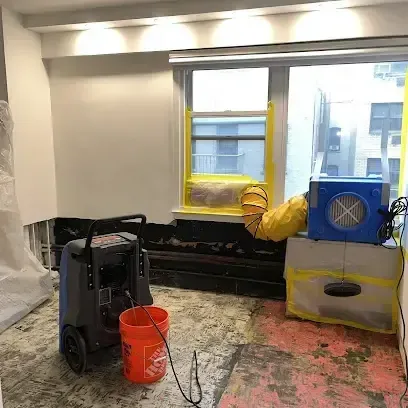
Bushnell Water Damage Restoration
A leaking pipe, a failed water heater or storm water can soak a Bushnell home quickly, and wet drywall and subfloor keep holding moisture after the puddles are gone. The crew extracts the water, then dries what stays wet.
Cost depends on how far the water spread and how long it sat, so the first call covers what is wet now.
What the crew handles in Bushnell homes
Each service covers water or sewage only, from the first extraction pass to the final moisture reading. Pick the card that matches the source of the water.
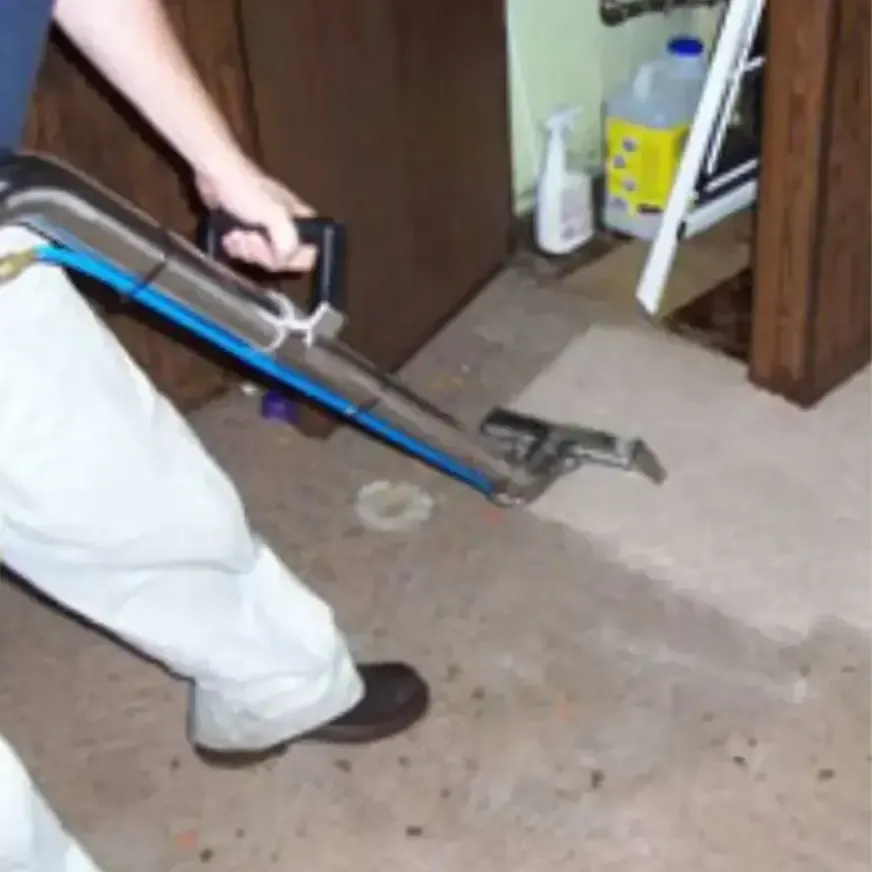 Water Extraction and RemovalPumps and extraction wands pull standing water from floors and carpet before it climbs into walls.
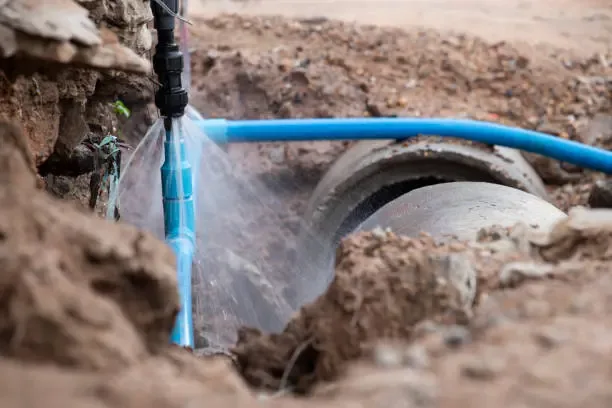 Burst Pipe Water DamageSplit supply pipes flood rooms fast. Once the valve is shut, wet walls are opened and dried.
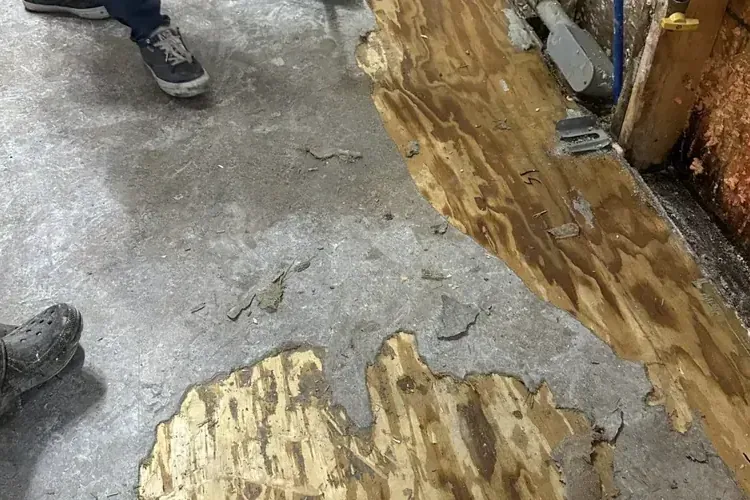 Slab Leak Water DamageA leak under a slab can wet floors before a stain shows. Moisture mapping traces where it went.
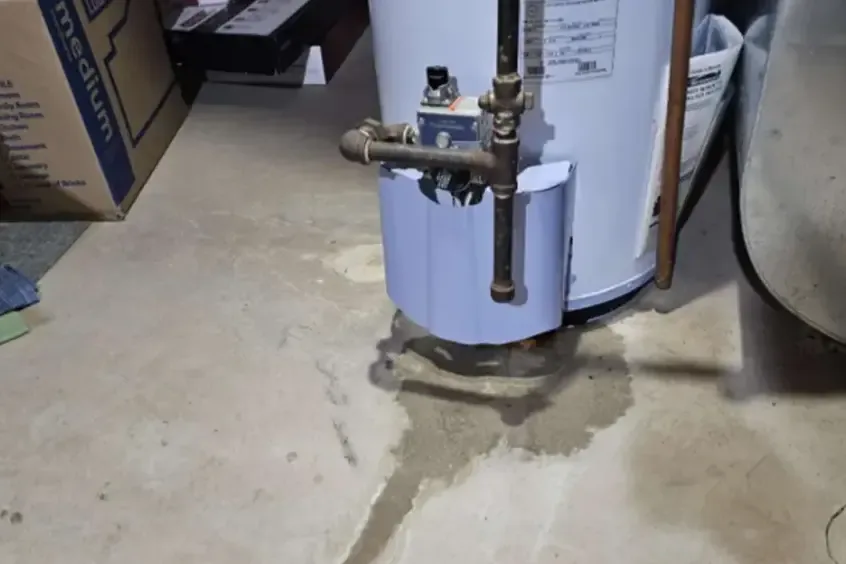 Water Heater Leak CleanupA failing tank can flood a closet or garage, so its water and power come off first.
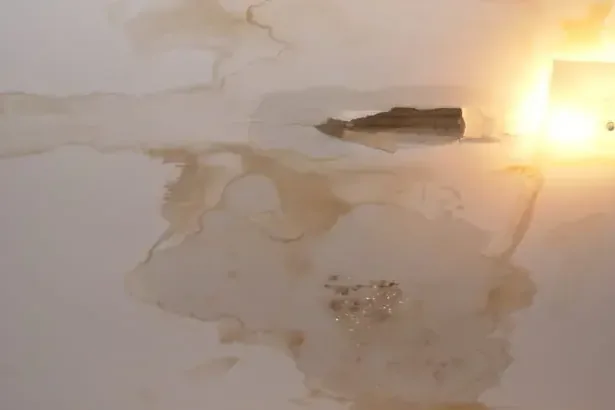 AC Condensate and Air Handler LeaksSummer heat keeps air conditioners running, and a clogged drain or full pan can stain ceilings and walls.
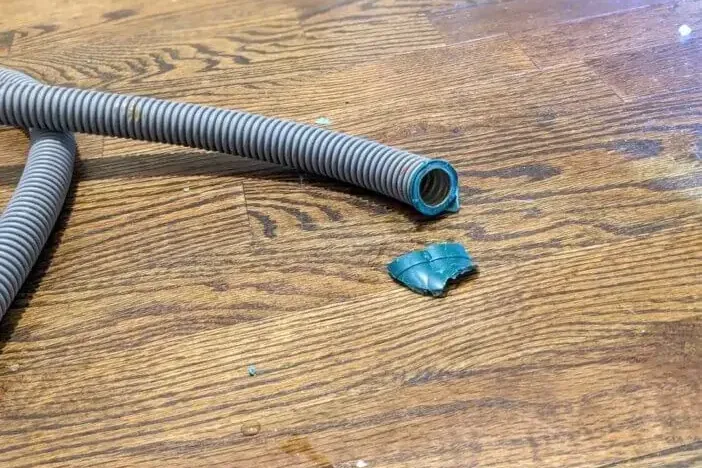 Appliance and Supply Hose LeaksWashers, dishwashers, refrigerators and ice makers can soak cabinets and floors. Moisture readings show how far.
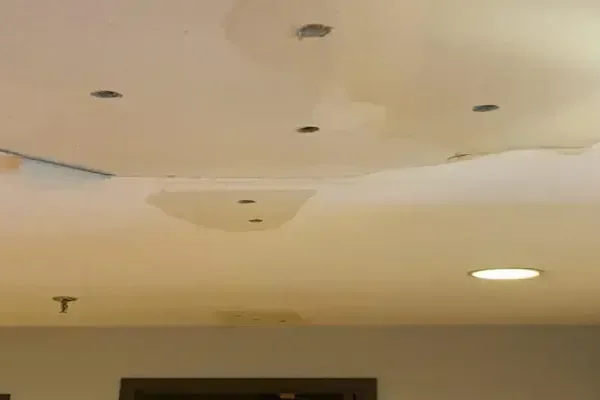 Ceiling Leak Water DamageStained or sagging ceilings point to a leak above. Wet drywall is dried or cut out.
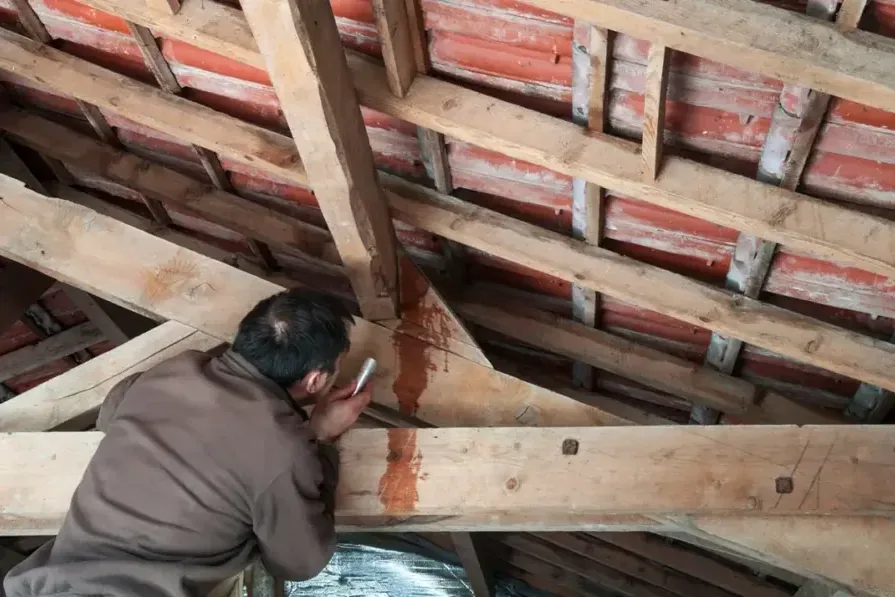 Roof Leak Water DamageRain that gets past damaged roofing soaks insulation and rafters. Interior drying follows once the opening is covered.
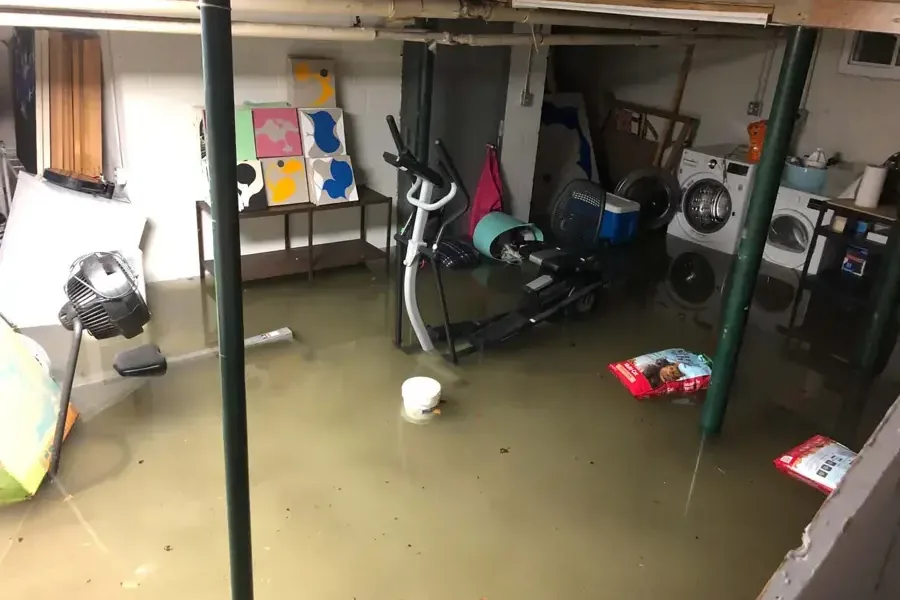 Hurricane and Tropical Storm Water DamageTropical systems push rain through roofs and windows. Storm water is pumped out and rooms are dried.
 Flood Water CleanupRising water carries silt and bacteria into a home. Flood cleanup removes it and dries what can be saved.
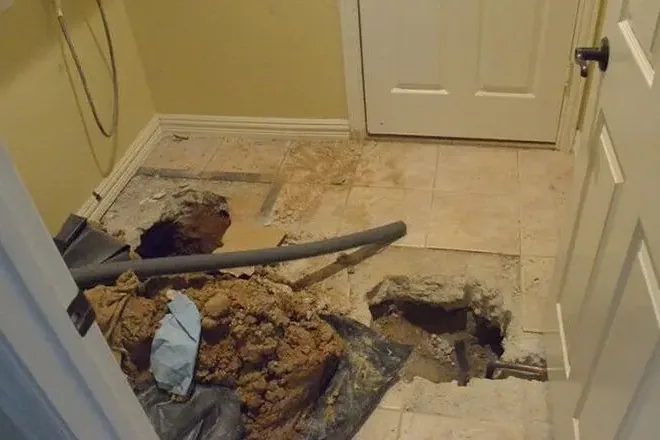 Sewage and Septic Backup CleanupA sewage backup spreads contamination across floors. Protective gear, removal and disinfection come before any drying.
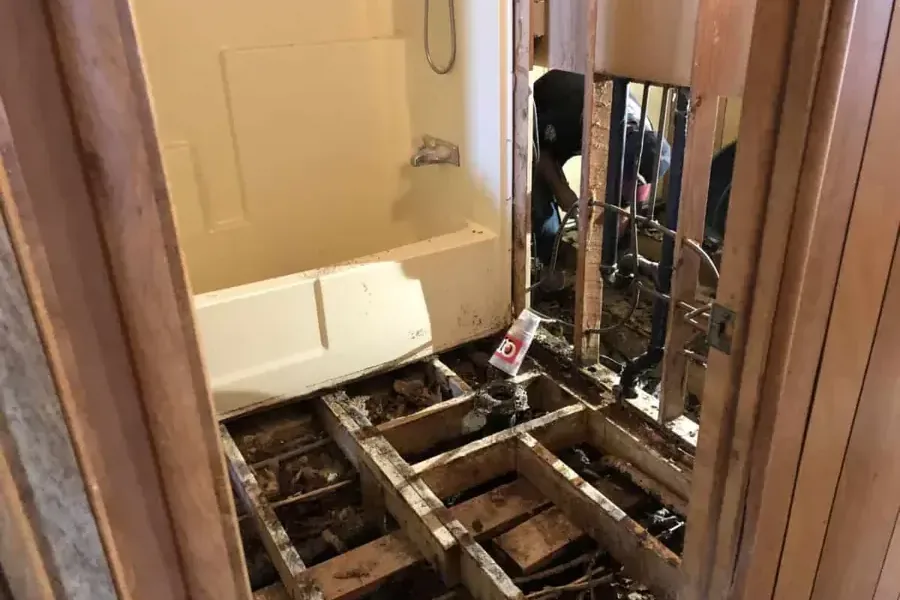 Manufactured Home Water DamageWet floors and walls in a manufactured home need drying before the decking swells.
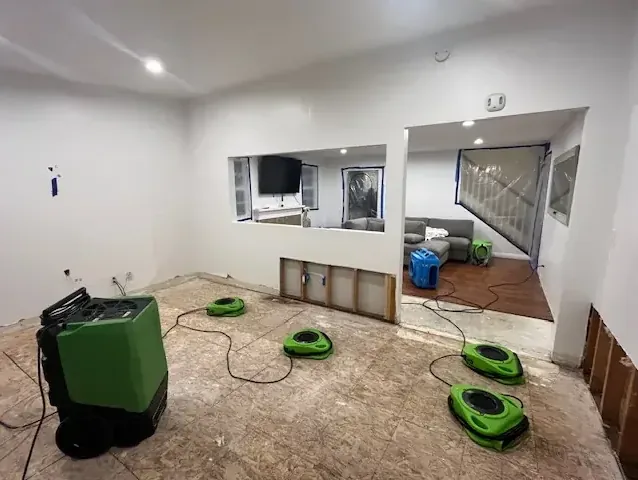 Structural Drying and DehumidificationAir movers and dehumidifiers dry framing and subfloor, with readings taken until the materials are dry.
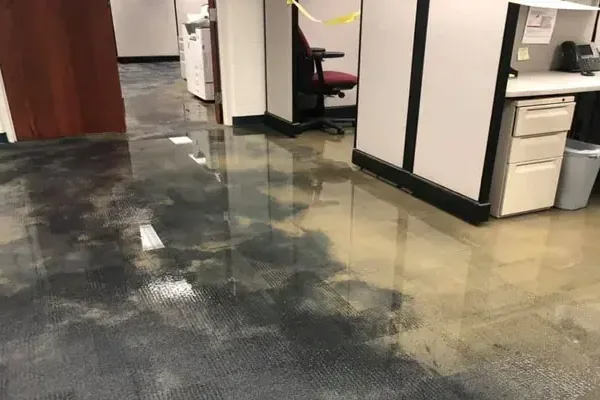 Commercial Water DamageOffices, shops and public buildings need dry floors back. Work is staged to keep the rest usable.
What water damage cleanup usually costs
Cleanup cost follows the water source, the area affected and how long materials stayed wet. A small clean water job starts in the first tier, while contaminated water or a long leak moves up.
- One room or one wall
- Clean supply water
- Extraction and fans
- Walls and floors opened
- Days of drying equipment
- Moisture readings throughout
- Whole floor or sewage
- Materials torn out
- Longer drying and checks
Insurance coverage and the exact scope are settled after moisture readings are taken, so a final estimate can land above or below these ranges.
Drying that is measured instead of guessed
Work is organized around the IICRC S500 water damage standard: the water is classified, equipment is set, and readings show when materials have returned to normal.
Assess
The crew checks the source, tests walls and floors with a moisture meter, and sorts the water into clean, gray or black.
Extract
Pumps and wands remove standing water, then wet carpet pad and soaked materials that cannot be dried are cut out and bagged.
Dry and dehumidify
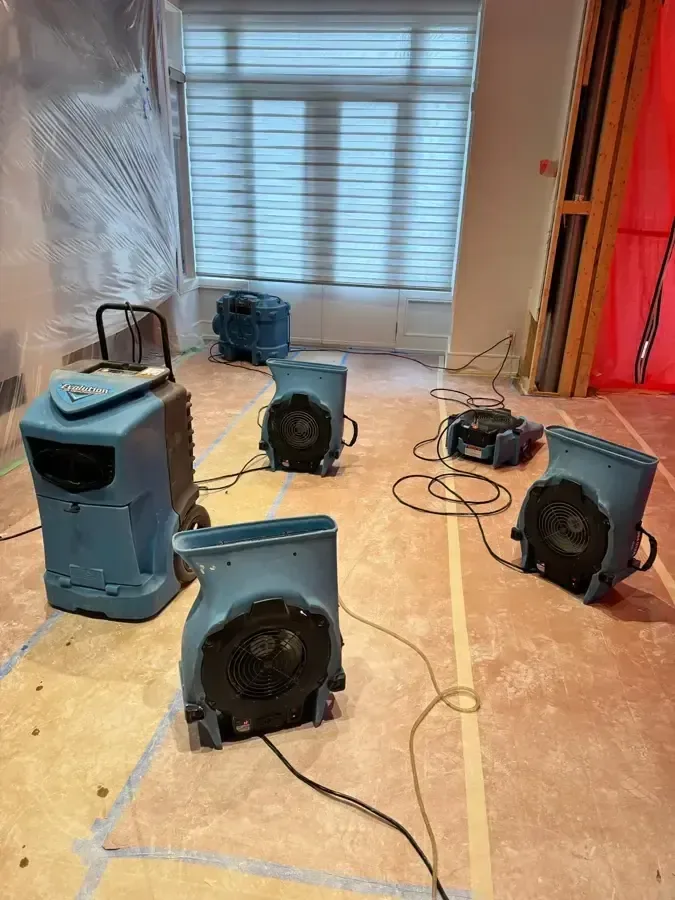
Air movers and dehumidifiers are placed by room, and the settings change as the readings fall each day.
Verify and document
Final readings are compared with unaffected materials, and the drying log goes to the owner for the insurance file.
Steps to take while the water is spreading
- Stop the source. Close the main valve or the fixture shutoff. For a leaking water heater, switch off its power as well before going near standing water.
- Cut power to wet areas. Turn off breakers for wet rooms. Water and electricity together are dangerous, so stay out of flooded rooms until the circuit is off.
- Photograph the damage. Take photos and short video of the water, the source and damaged belongings before anything is moved or thrown out.
- Lift what is wet. Move small furniture, rugs and boxes onto dry surfaces, and open cabinet doors so trapped water can drain and air can move.
- Call for drying. Call now so extraction can begin. Wet drywall and subfloor can start growing mold within 24 to 48 hours.
Clean, gray or black water changes the job
Clean water
Supply pipe, tank and rain leaks start clean but turn gray if materials stay wet, so drying starts quickly.
Extraction servicesGray water
Washer, dishwasher and fixture overflows carry soap and bacteria, and porous materials are often replaced rather than dried.
Appliance leaksBlack water
Sewage and flood water carry pathogens. Contact is avoided, affected materials are removed and surfaces are disinfected.
Sewage cleanupWhat to expect from the drying crew
The work comes down to stopping the loss, removing the water and proving the structure is dry. Each step is recorded for the insurer.
Moisture meters
Readings on walls, floors and framing show where water traveled, including areas that look dry to the eye.
Water only, sewage included
The crew handles water and sewage damage and nothing else, so every tool on the job is built for drying and cleanup.
Clear written scope
Owners get the affected rooms, the equipment placed and the removal steps in writing before major work begins.
Records for the insurer
Photos, moisture logs and equipment notes are kept so the claim file shows what was wet and when it dried.
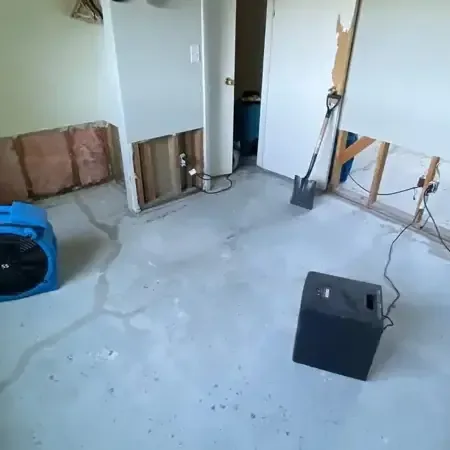
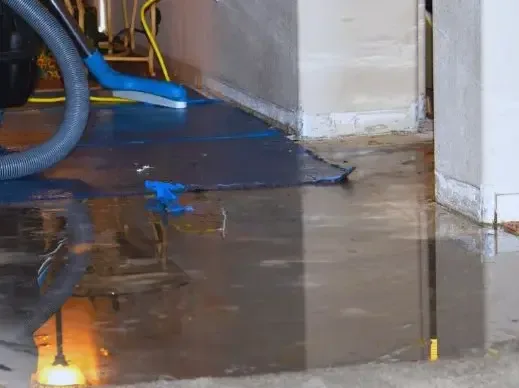
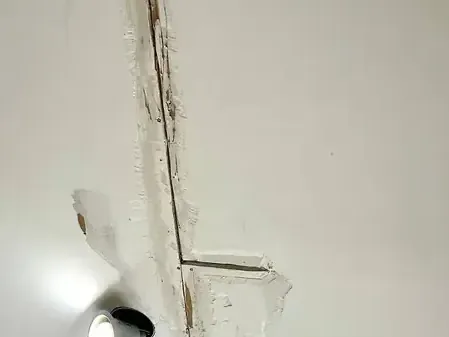
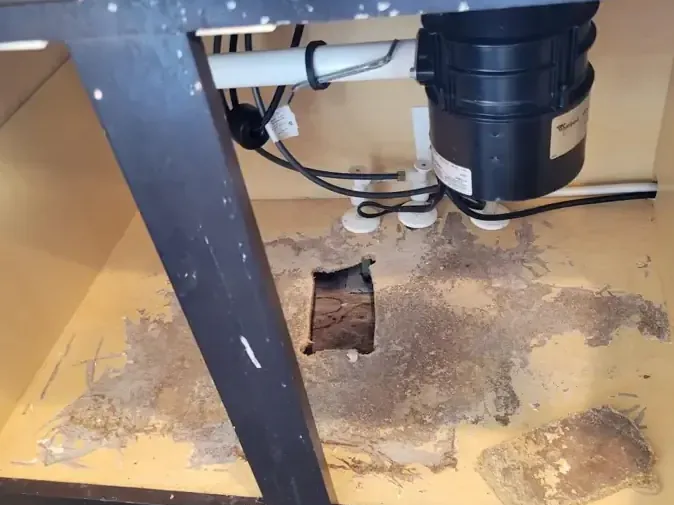
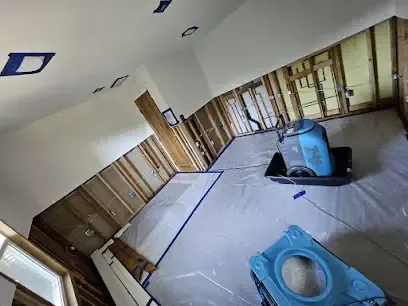
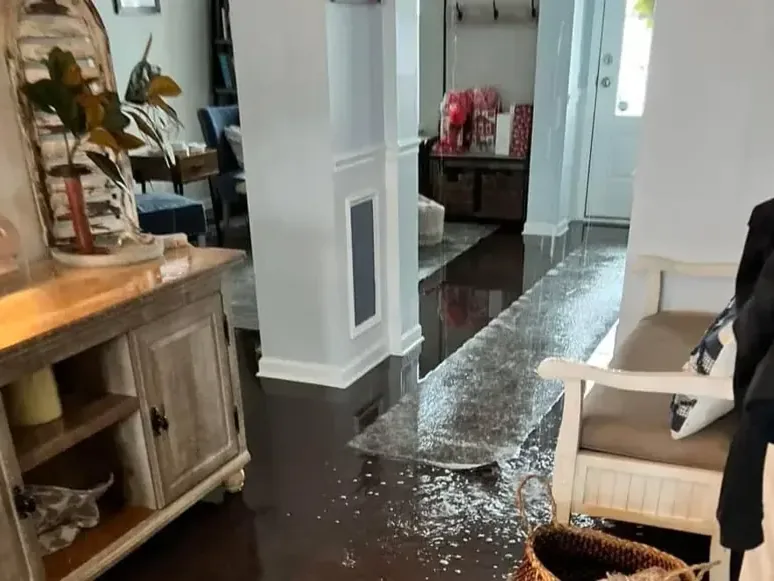
Extraction and drying equipment at work
Preparing for the insurance call
Coverage often turns on whether the water was sudden or slow, so the claim call should state what happened and when the damage was first noticed.
Starting cleanup before the adjuster visits
Stopping the source and removing standing water with towels or a wet vacuum is reasonable. Keep damaged materials, or photos of them, until the adjuster has seen them.
Tearing out wall and floor materials before they are documented can complicate the claim, so the crew photographs everything first.
- Photos and video taken before cleanup begins
- The date and time the water was found
- A list of damaged belongings
- The drying log and moisture readings
- Plumber or repair invoices for the source
Where the crew works around Bushnell
ZIP code
Roads and landmarks
Nearby service areas
Call from anywhere in town
The crew works across Bushnell, along US 301, CR 48 and CR 476, and on the streets near I-75 Exit 314.
Owners in ZIP 33513, tenants and business managers can describe the problem by phone, and the crew explains what drying and cleanup would involve.
(888) 621-2041Describe the damage to the crewLocal conditions that make water damage worse
Bushnell has a humid subtropical climate with a hot summer, which means wet materials stay damp and air conditioners work hard. These conditions shape the water problems below.
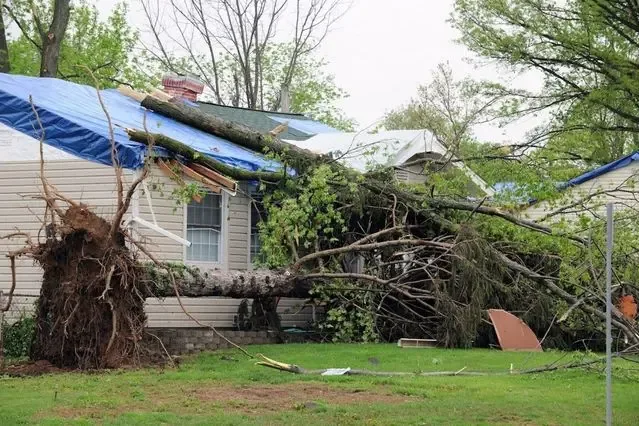
October 2024 After Hurricane Milton, flooding was a concern along the Withlacoochee River in Sumter County, and officials watched Lake Panasoffkee. Reports from that event did not name Bushnell.
- Hot summer humidityHeat and humidity keep wet drywall, carpet and framing damp for longer, so equipment is set early and checked each day until readings drop.
- Air conditioner overflowsIn a hot summer, systems run for long stretches, and a clogged condensate drain or full pan can drip into ceilings and closets before anyone notices.
- Storm season roof leaksTropical systems can drive rain past damaged shingles and flashing, soaking insulation and ceilings that may not show stains for days.
- Flat land and waterwaysThe area around Bushnell is relatively flat, with rivers, creeks and small streams running under roads on bridges. Heavy rain can push water into garages and ground level rooms.
- Households living aloneAt the 2020 Census, about 36.1% of Bushnell households were one person living alone. A hidden leak can run longer in a quiet house, and lifting wet furniture is hard without help.
Bushnell water damage questions
What should be done first when a pipe bursts?
Close the main valve or the shutoff at the fixture, switch off power to wet rooms and call for extraction. Photos taken before anything moves help the later insurance claim. A split pipe is covered under burst pipe water damage.
How fast can damp materials start growing mold?
Mold can begin growing in wet drywall, carpet and framing within 24 to 48 hours, which is why standing water comes out and drying equipment goes in as early as possible, even when the surface looks only slightly damp.
Does homeowners insurance cover water damage?
Coverage depends on the policy and on whether the water was sudden or slow. The insurer decides, so the claim call should include photos, dates and the drying records, along with any plumber invoice for the repair.
How long does structural drying take?
Drying time depends on the materials, the humidity and how far the water spread. Equipment stays until moisture readings match unaffected materials, not until a set number of days has passed. See structural drying for the method.
Can a wet carpet be saved?
Carpet that got clean water and is dried promptly can often stay in the room. The pad underneath is usually replaced, and anything touched by sewage or flood water is removed instead of cleaned.
What if the water came from a sewage backup?
Sewage is black water. Nobody should walk through it or run fans in it. Protective gear, removal of soaked porous materials and disinfection come before drying begins, as described under sewage backup cleanup.
Does the work cover commercial buildings too?
Yes. Offices, shops and public buildings get the same extraction and drying, with the work staged so unaffected areas stay usable. Larger buildings need larger scopes, with their own price tiers on the commercial water damage page.
Is storm water different from a pipe leak?
Storm water carries dirt, debris and bacteria into the house, so it is treated as contaminated. A pipe leak is clean at first, but it turns gray if materials stay wet. Both are dried to the same moisture targets.
How is the cost of a job decided?
Cost follows the water category, the area affected, the materials involved and how long they stayed wet. Moisture readings and a written scope come before the final figure, and the ranges above show where most jobs land.
Which belongings can be dried and which are discarded?
Hard furniture, glass and metal can usually be cleaned and dried. Upholstery, mattresses and particleboard that sat in dirty water are usually discarded. Photograph everything first for the insurer, then set the items aside.
Water is still spreading, so call now
Wet drywall and subfloor keep absorbing water until it is removed, so an early call limits the damage.