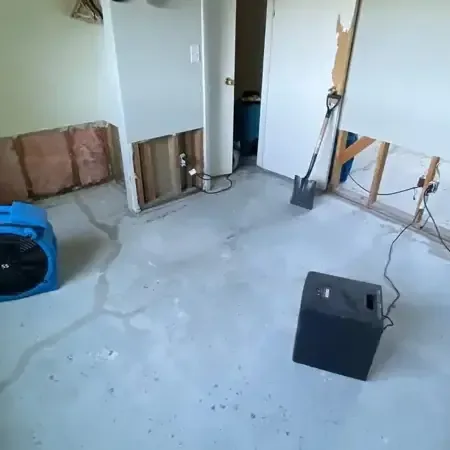
Water Damage Restoration Zephyrhills, FL
24/7 water damage restoration in Zephyrhills, FL. The extraction crew clears standing water fast, the drying team brings walls, floors and framing back to a dry reading, and the claim file records each step.
Water and sewage only. Storm rain, overflowing air handlers, pipe leaks and sewage backups get urgent treatment, day or night.
Water Damage Restoration Services in Zephyrhills, FL
Each job opens with a moisture map and closes only when meter readings show the structure is dry, from one wet closet to a whole floor after a summer storm.
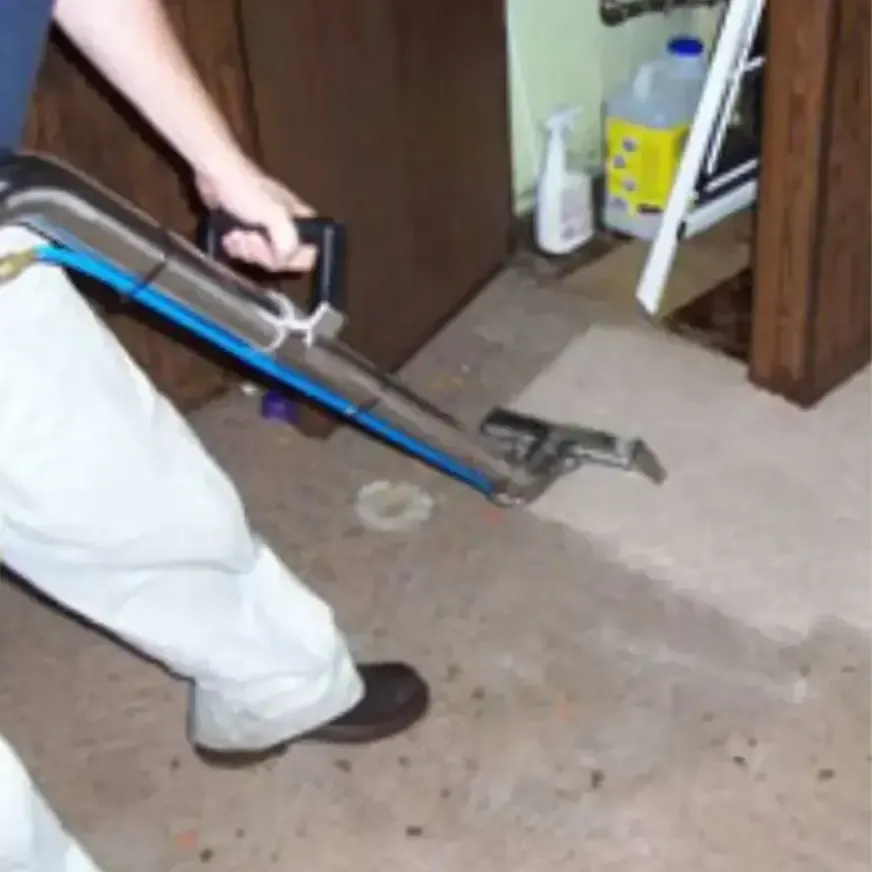 Water Extraction and RemovalStanding water pulled off tile and carpet with truck-mounted units before it soaks into baseboards and drywall.
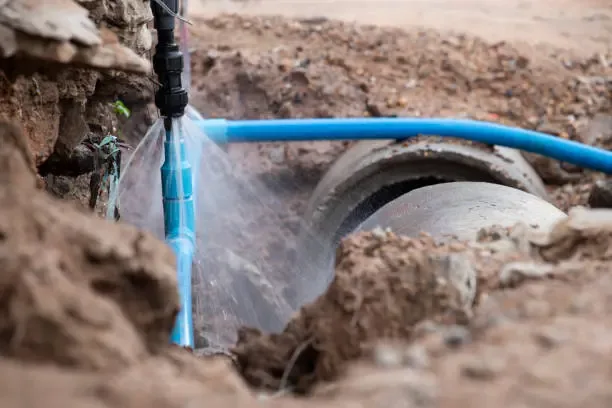 Burst Pipe Water DamageA split pipe in a wall or ceiling, shut off, extracted and dried inside the cavity.
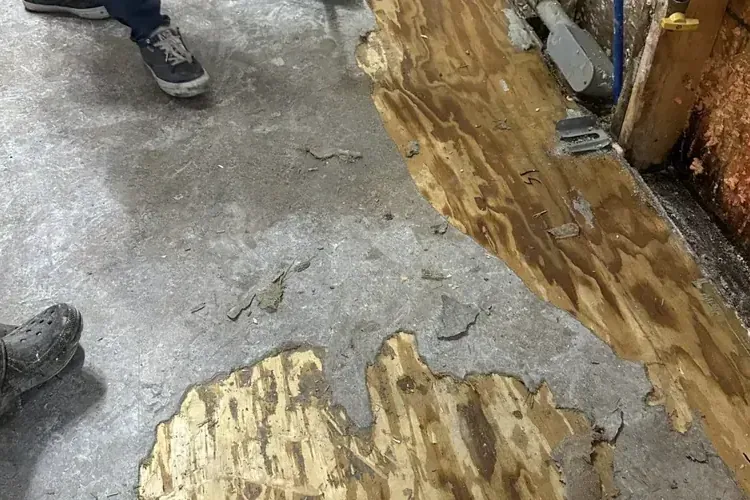 Slab Leak Water DamageWater from a leak under or inside a slab floor, found with meters and dried below the flooring.
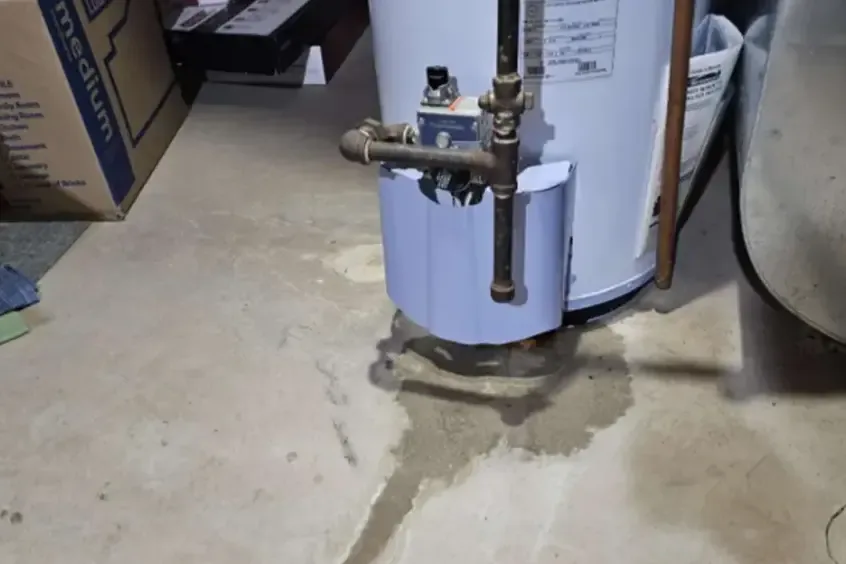 Water Heater Leak CleanupA leaking or ruptured tank in a closet or garage, cleaned up before nearby rooms soak.
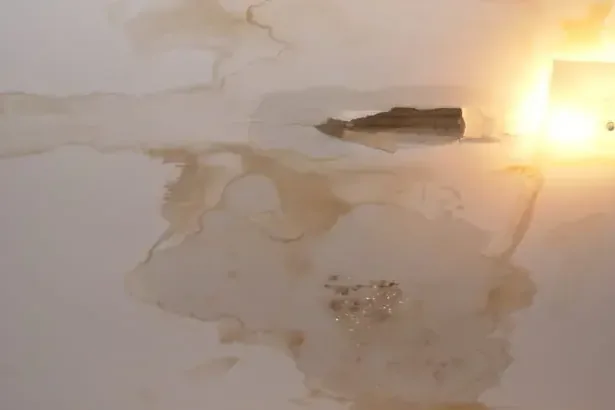 AC Condensate and Air Handler LeaksA clogged condensate drain or overflowing pan that leaks into ceilings and walls in the hot months.
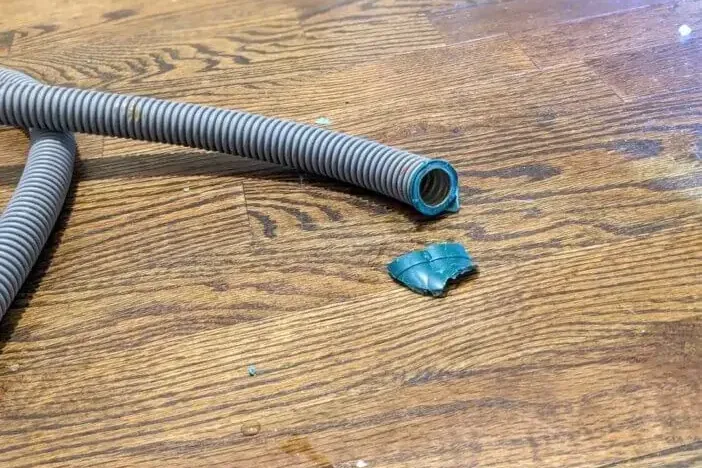 Appliance and Supply Hose LeaksWasher, dishwasher, refrigerator and ice maker leaks that run under floors and cabinets.
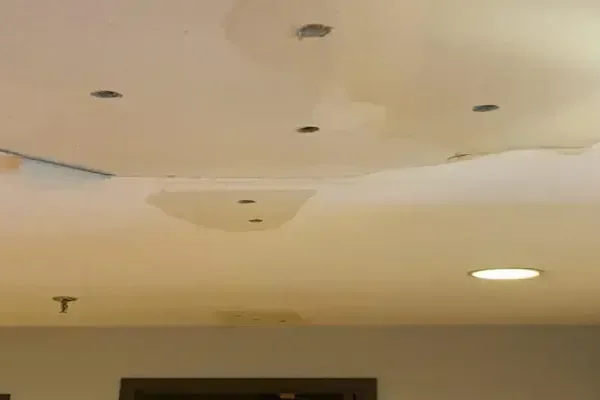 Ceiling Leak Water DamageStained or sagging drywall from plumbing above or roof leaks, opened safely and dried.
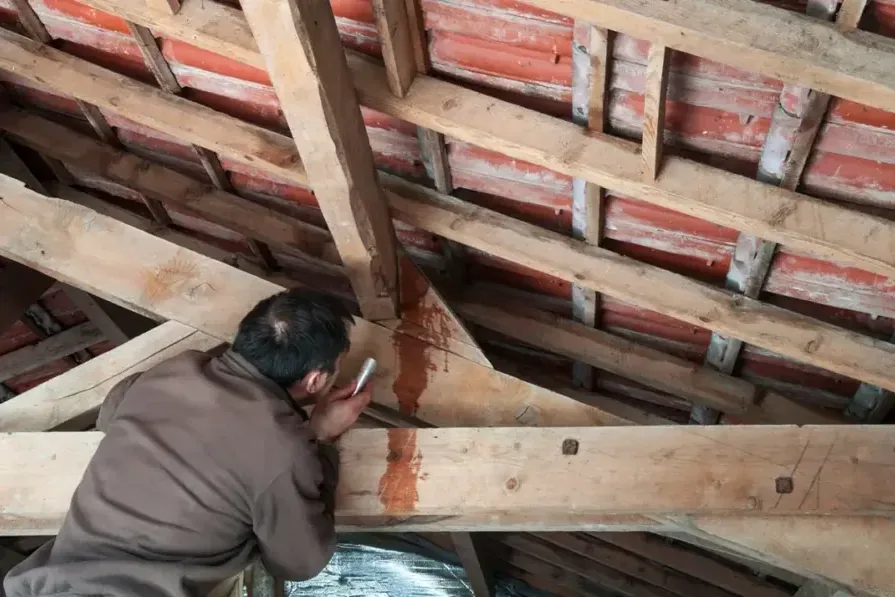 Roof Leak Water DamageHeavy summer rain past worn flashing, vents or shingles, with wet attic insulation removed.
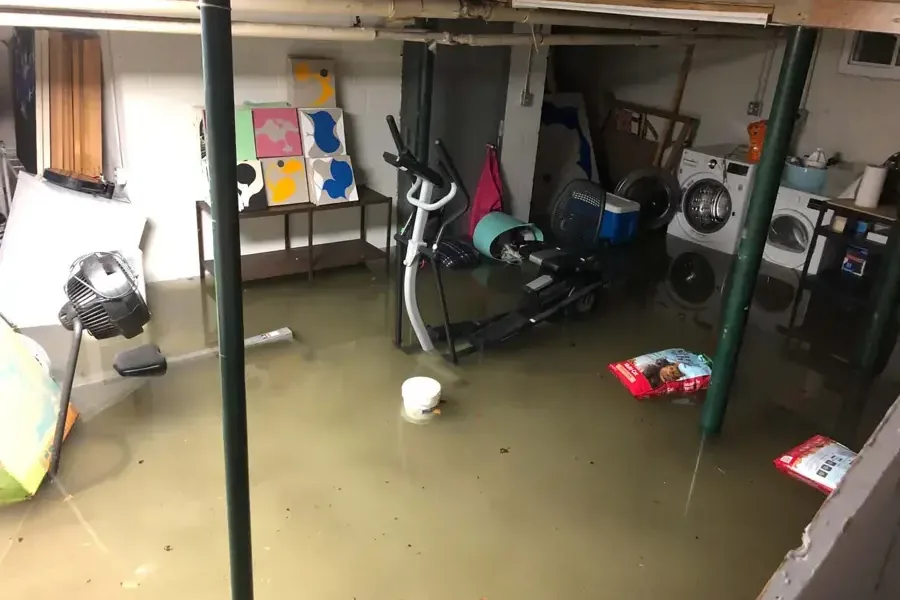 Hurricane and Tropical Storm Water DamageWind-driven rain and storm openings during hurricane season, dried and photographed one room at a time.
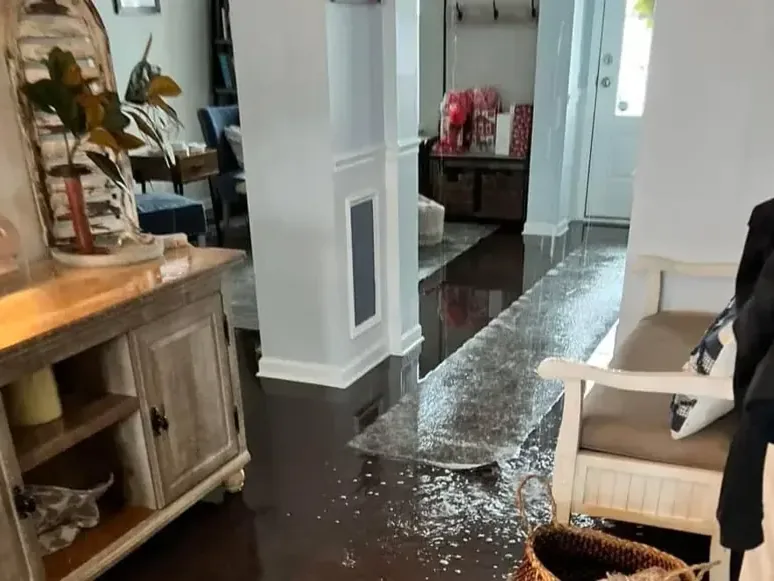
 Flood Water CleanupWater that rises from outside and comes in at floor level, treated as contaminated Category 3 water from day one.
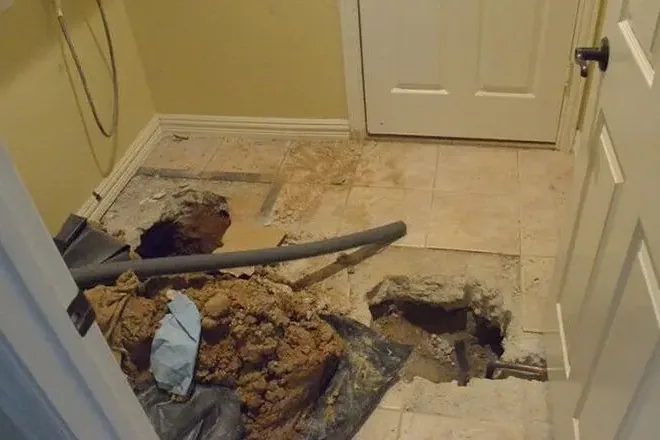 Sewage and Septic Backup CleanupToilet, tub and floor drain backups sealed off, soaked flooring and drywall removed, surfaces disinfected.
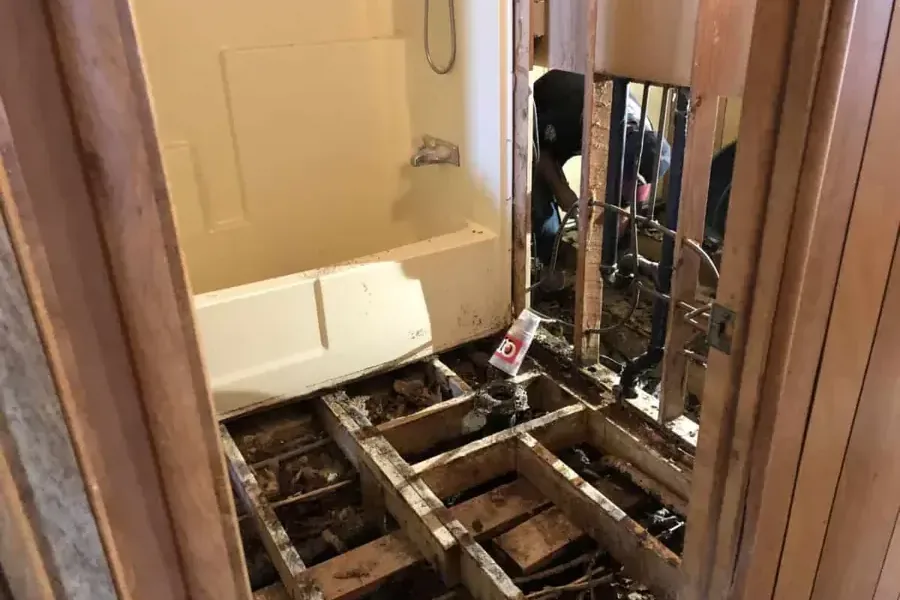 Manufactured Home Water DamageWater trapped beneath the floor and behind thin wall panels of manufactured homes, dried from underneath.
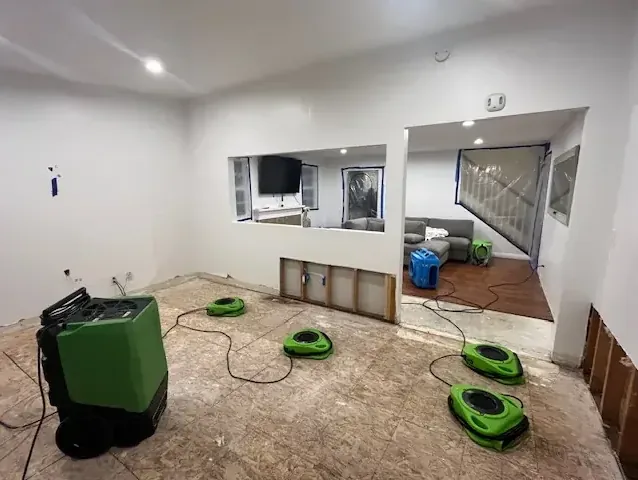 Structural Drying and DehumidificationFraming, subfloor, block and drywall brought down to within 2 to 4 points of dry, matching material.
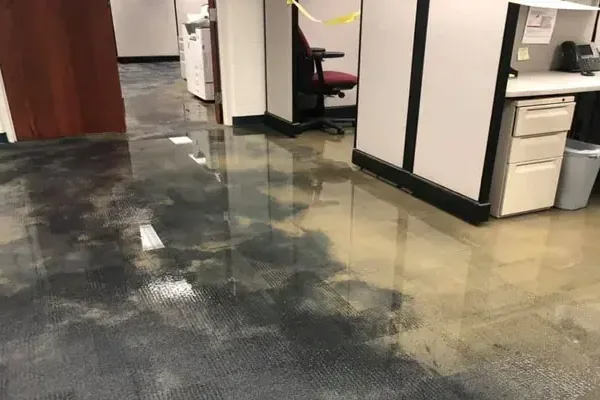 Commercial Water DamageShops, offices and older downtown buildings dried in phases so business can keep going.
What does water damage restoration cost in Zephyrhills, FL?
Water damage restoration here typically runs $800 to $15,000 or more. What changes it most: the category of water, how many square feet are wet, the material class and the delay before drying began.
- Clean water found early
- Extraction and air movers
- A few days of drying
- Pad, trim or low drywall taken out
- LGR dehumidifiers set
- Moisture logged daily
- Sewage backup, outside water or a slow leak
- Tear-out and antimicrobial
- Structural drying of every wet area
For a closer figure, try the water damage cost calculator. The ranges are planning figures, not a quote; the company doing the work sets the scope once it has seen the damage.
How a water loss is dried to the S500 standard
IICRC S500 calls for structural drying, not just dry-looking surfaces. In hot, humid air the dehumidifiers carry the load, and nothing is packed up until meter readings agree.
Moisture mapping
Before any equipment goes in, a tech checks drywall, flooring and framing with pinless meters and a thermal camera to mark the wet edge.
Water removal
Truck-mounted units pull the standing water out, and the crew records whether it is Category 1, 2 or 3 and which class of loss it is.
Air movers and LGR
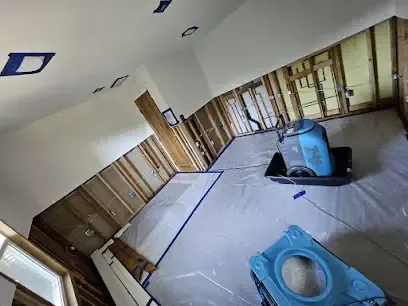
Air movers go into each wet room and LGR dehumidifiers sized for humid air pull the moisture out, with desiccant units for dense materials.
Proving it dry
Drying ends when wet materials come within 2 to 4 points of a dry reference reading. Many contained losses finish in three to five days.
What to do before the crew gets to the house
- Close the main valve. Shut the main water valve, usually by the meter or where the supply pipe enters the house, so no more water feeds the leak.
- Make power safe. Switch off breakers for the wet rooms, but only if the breaker panel sits in a dry spot and you are standing on a dry floor.
- Keep out of the water. Stay clear of standing water near outlets and appliances, and keep everyone away from sewage or outside water.
- Take photos first. Photograph and video the water, the source and every wet room before anything is moved or thrown out.
- Raise belongings. Get rugs, documents and electronics up high, then call. Drying started inside the first 24 to 48 hours keeps the most material.
Clean, gray and black water losses, all handled here
Category 1: clean supply water
Water from supply pipes, tanks and fresh AC condensate. Removed quickly, it usually dries in place with no tear-out.
Water extraction and removalCategory 2: gray water
Washer and dishwasher drain water, or water left sitting in a pan. Soaked pad and trim get cleaned or replaced.
Appliance leak cleanupCategory 3: black water
Sewage backups and water from outside. Anything porous comes out before antimicrobial treatment and drying.
Sewage backup cleanupWater damage pros for homes and businesses in the city
Hot, humid summers, heavy rain from June through September and air conditioners that run for months shape how water moves through a house here.
Urgent dispatch, 24/7
The response team sends a crew day or night, holidays included, since water keeps traveling under floors and into walls until removed.
Held to IICRC S500
The industry drying standard sets the order: inspect, map moisture, extract, dry, and then prove it with readings against dry material.
Records an adjuster can use
Each day's moisture and psychrometric readings, plus timestamped photos from before any tear-out, show what got wet and how it dried.
Planned for humid heat
Air handlers, summer storm rain and sticky outdoor air that slows evaporation are all part of how each dry-out is set up.
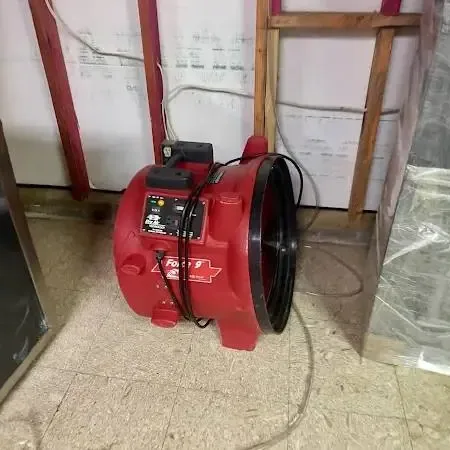
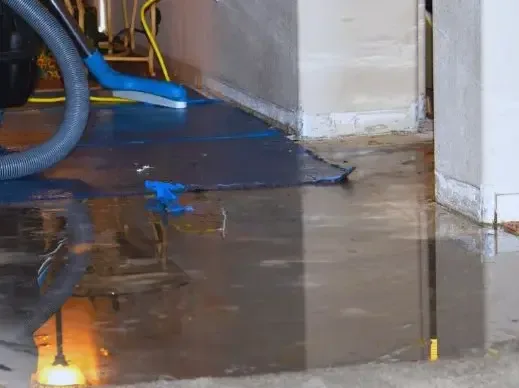
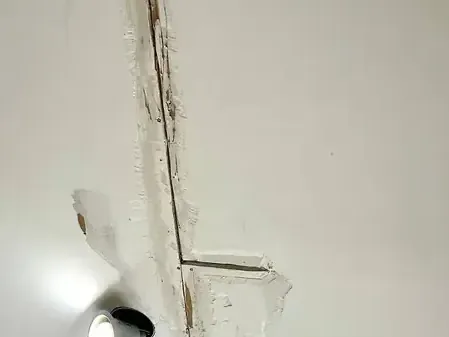
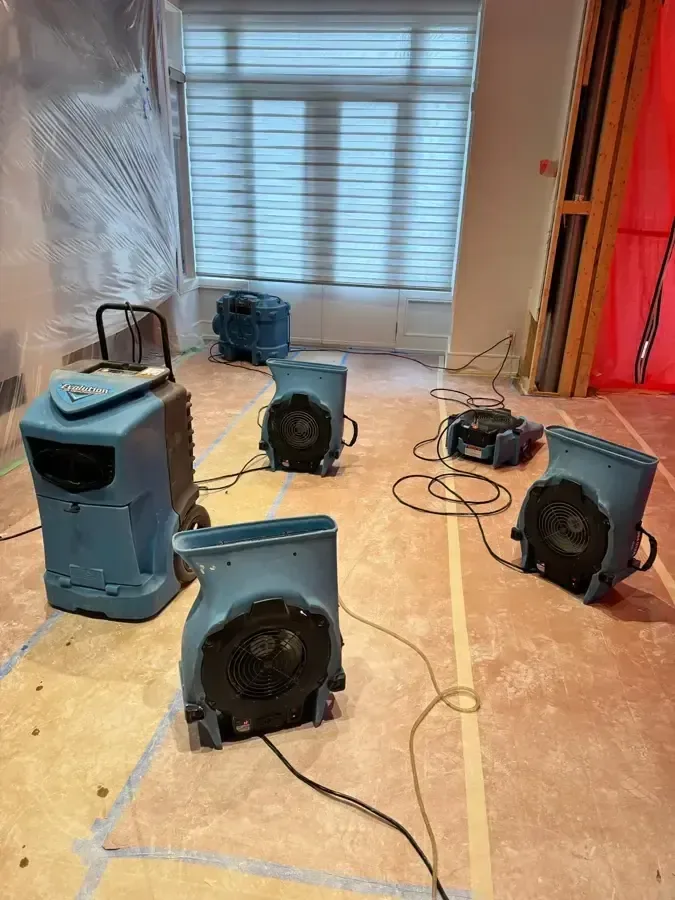
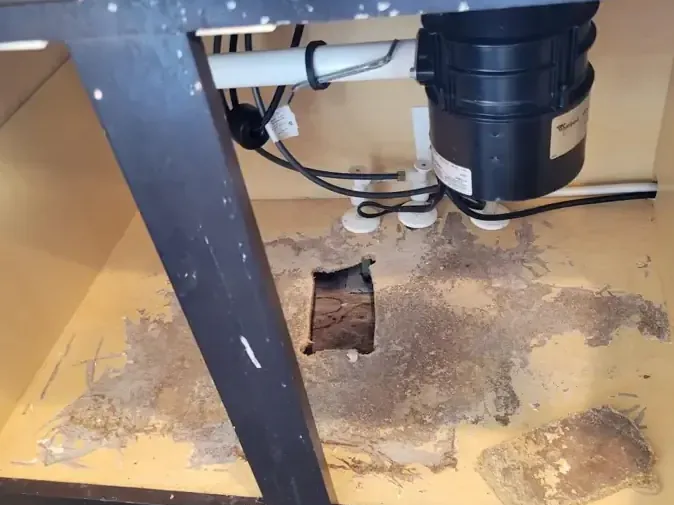
Inside a structural dry-out, from extraction to final readings
What goes into the water claim file
An insurance adjuster decides a water claim from the file, not from the phone call, and the restoration team starts building that file on day one.
Burst pipe or rising water?
A sudden, accidental loss like a burst supply pipe is usually looked at differently from water that rises from outside, which falls under flood insurance that is often bought as its own policy.
Only your insurer can confirm what your policy covers. A clear, complete file simply makes the loss easy to follow.
- A map of every wet area from day one
- Temperature, humidity and moisture logged daily
- Dated photos of the damage before removal
- Which water category and loss class apply
- An itemized scope in an adjuster-friendly format
Water damage coverage across the city, from Fifth Avenue to Chancey Road
ZIP codes
Main roads and districts
Nearby communities
One call sends a drying crew across the city, 24/7
Any hour, any day of the year, the response team sends a crew out for active water and sewage problems.
Explain which rooms are wet, what the source seems to be and whether water is still flowing, so the right extraction and drying gear goes on the truck.
(888) 621-2041Tell a tech which rooms in Z-hills are wetWater damage in Zephyrhills, FL: what drives it
The city takes its name from its rolling hills. A humid subtropical climate, about 53.03 inches of rain a year and long air conditioning seasons drive most of the water losses here.
September 2026 The city set a public hearing on its yearly stormwater utility assessment, which pays for the ponds, ditches and culvert pipes meant to reduce flooding.
- Wet summer monthsJune through September are the wettest months, averaging between 6.65 and 7.79 inches of rain each. Heavy bursts find worn flashing, roof vents and clogged gutters.
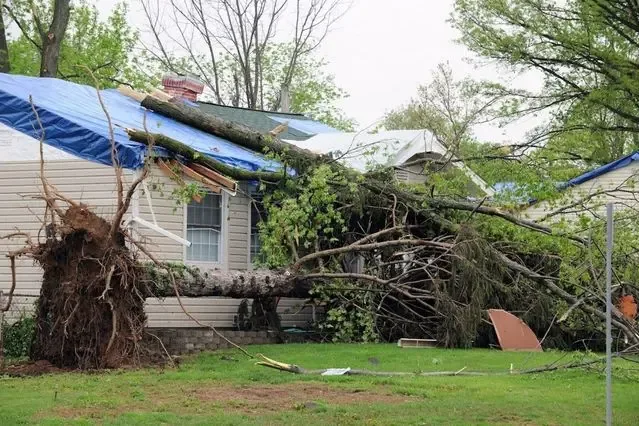
- Hurricane season rainPasco County Emergency Management publishes a yearly preparedness book for the season. Wind-driven rain can enter through soffits, window frames and lifted shingles.
- Humid heat and AC overflowsThe mean daily high is 91.3 degrees in July, so air handlers run hard. Algae clogs condensate drains, and full pans spill into the ceilings below.
- Rare hard freezesThe climate table lists a record low of 16 degrees in February. On a cold night, exposed pipes and outdoor spigots can split and leak.
- Poor yard drainagePonds, ditches and culverts carry most storm runoff, but a very heavy storm can push water against a house where the yard drains poorly. Water entering at floor level is Category 3.
Zephyrhills water damage questions, answered
How soon can a crew get to a home in the city?
Crews are dispatched around the clock, and active water is handled as urgent whatever the hour. Arrival depends on crew location and how far the water has traveled, so the sooner the call, the better.
Is water damage covered by homeowners insurance?
Insurers usually treat a sudden, accidental event like a burst supply pipe differently from rising water or a leak that went on for months. Either way, a complete claim file helps. Only your own policy and insurer can settle coverage.
What causes most water damage in local homes?
Overflowing air handler pans and condensate drains that clog, supply pipe and appliance leaks, water heater failures, roof leaks during the wet summer months, hurricane season rain and, on rare cold nights, split outdoor pipes.
How long does drying take in the summer heat?
Most contained Class 1 or 2 losses dry in three to five days. Because outdoor air is so humid, windows stay shut and LGR dehumidifiers pull the moisture. Hardwood, plaster and a slab under flooring need longer.
What does the IICRC S500 standard mean?
It is the industry standard for drying water damage. S500 lays out the sequence: inspect the loss, map moisture, extract, dry, then confirm with readings compared to an unaffected dry material.
What should happen while waiting for the crew?
Shut the main water valve, kill power to wet rooms only if the panel is in a dry spot, take photos of everything, and get rugs, papers and electronics up off the floor.
When does wet drywall need to be removed?
Drywall comes out when black water touched it, when it sags or crumbles, or when it has been wet so long that mold may be starting, often after 24 to 48 hours. Drywall soaked by clean water and reached early can usually be dried where it is.
Why is a sewage backup treated differently?
A sewage backup counts as Category 3 from the start. The work needs containment walls, protective gear, removal of anything porous, and an EPA-registered antimicrobial kept wet for its full dwell time before drying begins.
How is the cost of a water loss worked out?
Four things set the price: the category of water, the wet square footage, the material class and the delay before drying. Most of the bill is equipment days, removal of wet materials and any antimicrobial work.
Can rain still get inside if the city has stormwater ponds?
Yes. The city runs ponds, ditches and culvert pipes meant to reduce flooding, but a very heavy storm can still push water against a house where the yard drains poorly. Water that enters at floor level is treated as Category 3.
Water in a Zephyrhills home or business? Start the dry-out now.
Every hour water stays put, it wicks higher into drywall, cabinets and the floor underneath.