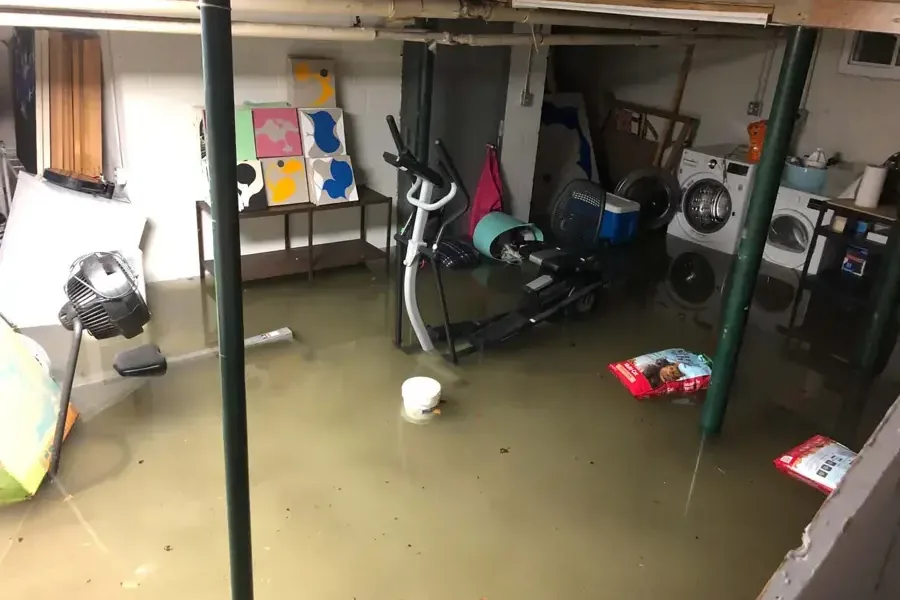
Hurricane and tropical storm water does not arrive as one kind of water. Rain through a roof opening is cleaner than flood water that crosses a yard and enters at a door, and each kind is handled differently. Which one entered decides what is dried, what is cleaned and what is removed.
After the storm passes
- Standing water pulled from the floors
- Wet ceilings and insulation opened
- Walls cut above the height flood water wicked up to
- Contaminated materials separated and removed
- Drying equipment set up room by room
Storm water in the house? The crew can extract and dry it at any hour.
Ask about storm water recoveryPreparing for the season
Pasco County Emergency Management publishes a yearly preparedness publication, and the City of Zephyrhills website links the 2026 edition for hurricane season. Reading it before storms arrive, and keeping photos of the home's condition, makes a later claim easier. A dated set of photos of each room is easy to take before a storm and hard to recreate after one.
Rain or flood water
Rain through the roof is usually Category 1 or 2 and can often be dried in place, while water that crossed the ground outside is Category 3 and calls for removal of porous materials. For deeper water, see flood water cleanup, and for the roof opening see roof leak water damage. Either way, wet drywall and insulation are checked with meters before anything is closed up.
Drying finishes under structural drying once the bulk water is gone. The Zephyrhills water damage page lists the other local services.
Hurricane and Tropical Storm Water Damage in short
Water damage mitigation after a hurricane or tropical storm: extraction of rain and flood water, contaminated water handling, ceiling and wall drying, structural drying and a documented moisture record.