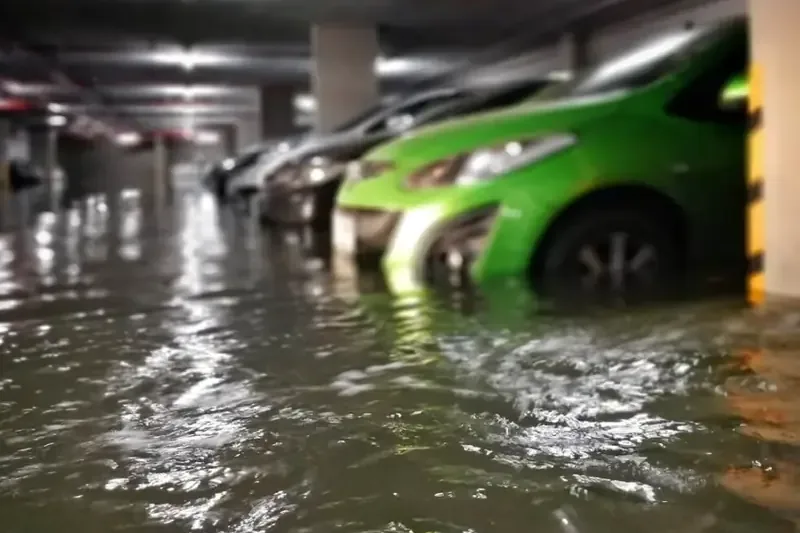
Flood water is not the same as a plumbing leak. It crosses the ground, picks up dirt, bacteria and chemicals, and then enters the house at a door, a vent or a low wall. That makes it Category 3 water, and the porous materials it touches are removed, not dried. Even clear-looking flood water is treated as contaminated until proven otherwise.
What the cleanup removes
- Carpet and pad that sat in the water
- Drywall and insulation wicked above the waterline
- Soaked cabinet bases and particleboard
- Loose trim and baseboards
- Contents that cannot be washed
Flood water inside the house? The crew can start the pumping and removal at any hour.
Ask about flood water cleanupHow local drainage fits in
The City of Zephyrhills provides stormwater services meant to reduce flooding, including operating and maintaining ponds, ditches and culvert pipes. That system lowers flood risk, but a heavy downpour can still push water to a doorway. Water that arrives faster than a ditch or culvert pipe can carry it ends up in yards, garages and entryways, and that is where flood cleanup begins.
After the water is out
Hard surfaces are cleaned and sanitized, then wall cavities and floors are dried with air movers and dehumidifiers under structural drying. Water that came from a drain instead of the ground follows sewage backup cleanup. Wall cavities are opened where the water wicked up, so the drying reaches the framing and not just the surface.
Storm-driven flooding also connects to hurricane and tropical storm water damage. Local service details are on the Zephyrhills water damage page.
Flood Water Cleanup in short
Flood water cleanup after rising water or runoff enters a home: pumping, removal of soaked carpet, pad, insulation and drywall, sanitizing of surfaces and structural drying to the IICRC S500 standard.