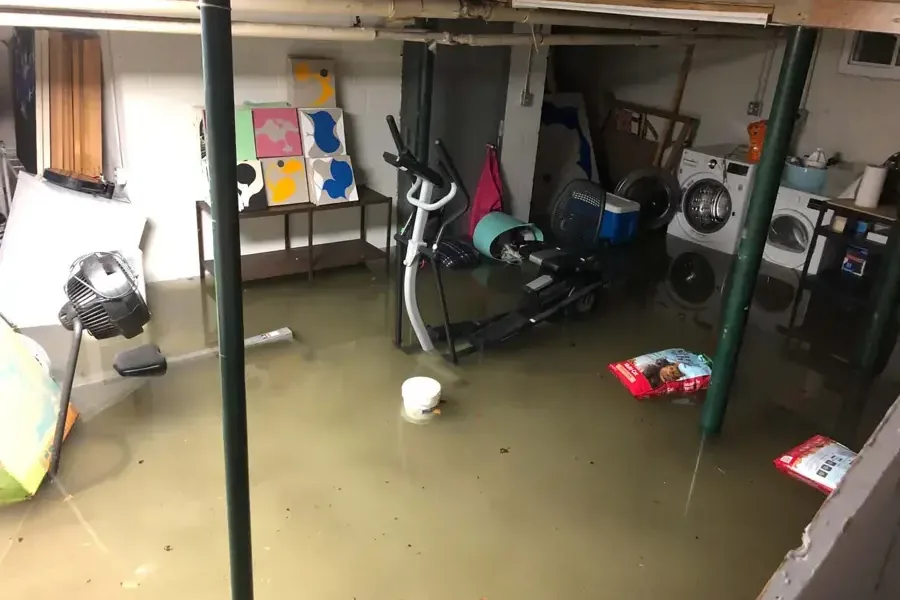
Wind-driven rain gets in through lifted shingles, cracked windows, failed seals and door gaps, and heavy storms can leave water standing on floors. The crew first sorts the loss into rain water and flood water, because flood water carries silt and bacteria and is cleaned very differently. Roof damage is the common entry, but water also comes through doorways and garage openings when rain is heavy enough.
What storms leave behind
- Wet ceilings and attic insulation below roof damage
- Soaked carpet and pad near windows and doors
- Water pooled in garages and lower rooms
- Wall cavities filled by wind-driven rain
- Flood water that needs removal and disinfection
Storm water in the house or a roof opened up? Call and the crew will say how to stay safe and what to photograph.
Call about the storm damageCity crews work before and after
On April 15, 2025 the Mascotte City Council voted unanimously to designate Public Works employees as first responders. The city says Public Works keeps the city safe before and after natural disasters, including clearing roads and restoring infrastructure.
Drying and records
Mold can begin on wet drywall and wood in 24 to 48 hours, so drying starts as soon as roads and power allow. Power can be out after a large storm, so portable power and equipment are used where needed. Meter readings and photos are kept for the claim, along with receipts for emergency repairs. For the flood side, see flood water cleanup.
The roof side is covered under roof leak water damage.
Hurricane and Tropical Storm Water Damage in short
Storm water damage cleanup for Mascotte homes: rain-soaked rooms are extracted, flood water is handled apart, and the structure is dried and documented.