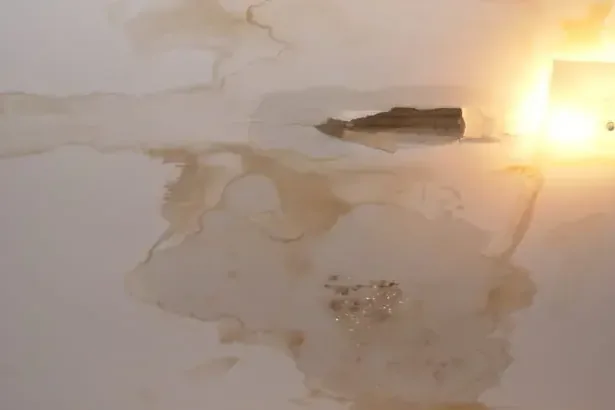
An air conditioner pulls moisture out of the air, and that water is meant to leave through a small drain. When the drain clogs with sludge or the pan cracks, the water goes into the ceiling, the attic insulation or the closet floor instead. Turning off the system stops the supply while cleanup begins.
Where the overflow ends up
- The ceiling below an attic air handler
- Wall cavities beside a closet unit
- Insulation that soaks and sags
- Flooring in a hallway or utility closet
- Light fixtures and fans in the wet ceiling
Ceiling stain under the air handler? Turn the unit off and describe the damage to the drying team.
Call about the stained ceilingWhat the team does about it
Standing water is removed, then a moisture meter and a thermal camera check the ceiling drywall, the insulation and the wall below. Sagging drywall is cut out, wet insulation is replaced, and air movers and dehumidifiers dry the area until the readings are normal.
Stopping a repeat
Drying does not fix the drain. An HVAC technician clears or replaces the condensate drain and checks the pan and the float switch, so the overflow does not come back. The ceiling leak page covers stains from other sources.
Water that has already reached the walls follows the drying process described on the structural drying page, which also covers the framing behind the ceiling.
AC Condensate and Air Handler Leaks in short
AC leak restoration removes the water that overflowed from the drain pan or condensate pipe, checks the ceiling, insulation and walls for moisture, and dries each wet layer with air movers and dehumidifiers.