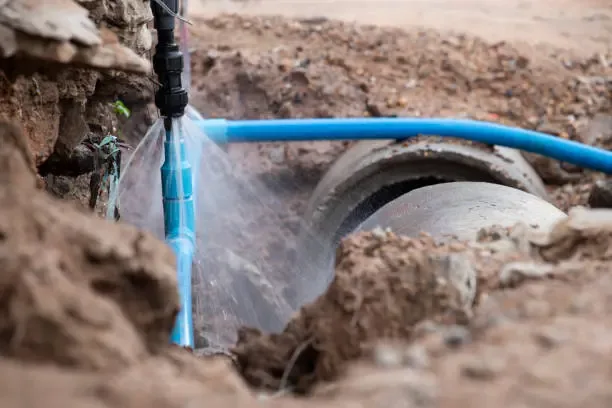
Water from a burst pipe moves with pressure behind it, so it reaches insulation, drywall and the floor below long before a stain shows. Stopping the flow at the main valve is step one. Cleanup then follows the water into every cavity it entered, and nothing is closed up until the readings say it is dry.
Where burst pipe water travels
- Inside the wall cavity and the insulation
- Down to baseboards and flooring
- Across the ceiling below an upstairs break
- Into cabinets and closets beside the wall
- Under tile and laminate that trap moisture
Water coming through the wall? Shut the valve, then describe the damage to the drying team.
Call about the wet wallWhat the cleanup includes
The team removes standing water, cuts away drywall or insulation that cannot dry, and sets air movers and dehumidifiers to pull out the rest. A thermal camera and a moisture meter show whether the wall is still holding water, so nothing is sealed up too early.
Related work on the same job
Once the pipe is repaired, drying becomes the main task. The structural drying page explains how equipment is chosen, and the water extraction page covers the water removal itself.
A plumber repairs the pipe, and the restoration team handles everything the water touched, from the first extraction to the last moisture reading.
Burst Pipe Water Damage in short
Burst pipe restoration stops the source, removes standing water, opens wet walls or ceilings where needed and dries the structure with air movers and dehumidifiers until the readings are normal.