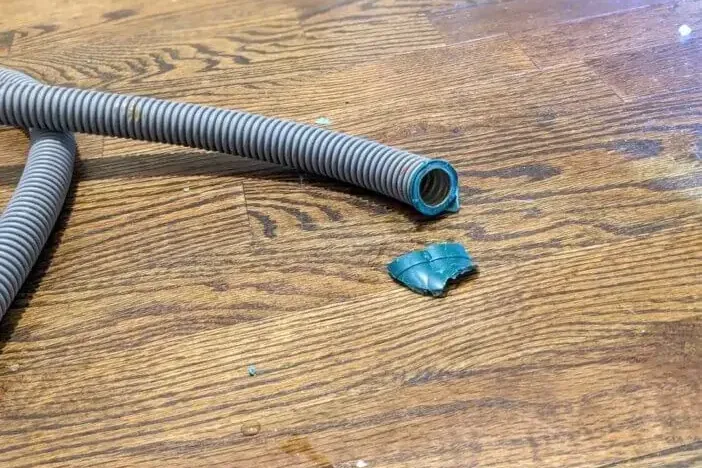
Most appliance floods are not dramatic. A washer hose seeps, a dishwasher gasket drips or a refrigerator ice maker tube weeps, and the water runs into the cabinet base or under the flooring where nobody looks. The damage is often found only when a floor feels soft, a cabinet swells or a stain appears on the ceiling below.
Common appliance sources
- Washing machine fill hoses and drain hoses
- Dishwasher supply connections and door seals
- Refrigerator ice maker and dispenser tubes
- Sink and under counter shutoff valves
- Water filter housings and softener connections
Water under the washer or behind the dishwasher? Shut the valve and describe what you found.
Discuss the wet kitchen floorWhy slow leaks cost more
A slow leak keeps wetting the same few square feet for days or weeks. Cabinet bases swell, laminate lifts, and the subfloor underneath stays damp long after the surface looks dry. Meters and a thermal camera find the boundaries of the wet area before anything is removed.
Drying behind the appliance
The appliance is pulled out, the wet area is extracted, and cabinet toe kicks or baseboards are removed so air can move through the cavity. Dehumidifiers and air movers then run until readings match the dry parts of the room. A dehumidifier stays on until the cabinet interior, the toe kick and the subfloor all read dry.
Upstairs leaks often show up as stains on the ceiling below, which the ceiling leak page explains, and a leaking tank is covered on the water heater page.
Appliance and Supply Hose Leaks in short
Appliance leak restoration removes the water, pulls the appliance to inspect what lies behind and beneath it, and dries cabinets, flooring and drywall until moisture readings are normal.