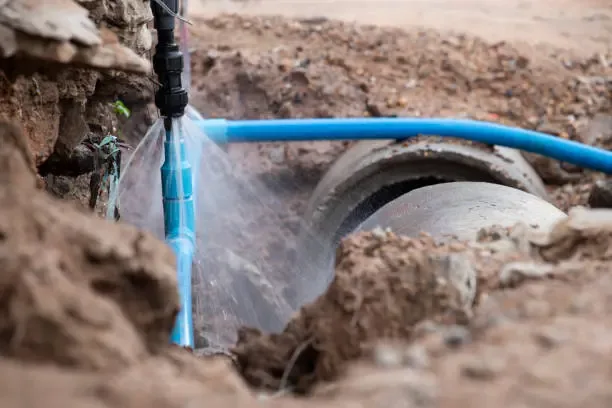
A burst pipe is a race against spreading water. The City of Auburndale Public Utilities Department supplies water to customers in the city and its surrounding service area, and its Utility Billing section takes reports of leaks, pipe breaks and lapses in service, but damage inside the building still needs drying.
Stopping the flow and finding the wet areas
- Close the main valve or the fixture shutoff first
- Open taps to drain pressure left in the pipes
- Switch off power to rooms where water reached outlets
- Photograph the break and the wet surfaces before cleanup
- Map hidden moisture in walls with meters and thermal imaging
A pipe is leaking or has burst inside a wall. Describe the situation and the shutoff and drying steps start from there.
Talk through the pipe breakHow the drying is planned
Water from a supply pipe starts out clean, which gives drywall and insulation a better chance of drying in place. Technicians cut small inspection openings where meters show water inside the wall, and they remove only what readings say cannot recover. Long hidden leaks are judged more cautiously.
Rooms below and beside the break
Water follows gravity and framing, so a break in one wall often wets the ceiling below and the room next door. The ceiling leak water damage service explains how a wet ceiling is opened and dried, and structural drying covers the equipment.
Cleanup cost depends on how long the pipe ran, which is why the ranges below start with a break caught fast. Early reporting to the utility and to the restoration team keeps the wet area smaller.
Burst Pipe Water Damage in short
After the water is shut off, wet drywall, insulation and flooring in the affected rooms are extracted, opened where needed and dried until the meters read normal.