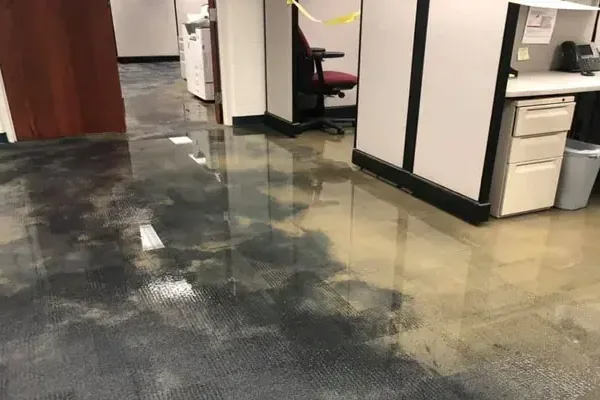
Commercial and institutional buildings in Auburndale include the Southern Technical College campus and public schools run by the Polk County School Board, and any building that holds people has the same urgent question after a leak: which areas can stay open. Answering it starts with containment.
Containing the wet area
- Barriers and sealed doors separate wet and dry zones
- Air scrubbers and negative air limit odor and dust
- Equipment is placed to leave walkways and exits clear
- Utilities and sensitive equipment are protected first
- Drying is scheduled around opening hours where possible
A leak is affecting a shop, office or school building. Describe it and the containment and drying plan can be explained.
Request a building assessmentWhat drives cost and downtime
Business losses are measured in days of lost use as well as repair costs, so the drying approach is chosen to keep as much space available as possible. Wet carpet tile, ceiling tile and insulation come out quickly, while hard floors and framing are dried in place when readings allow.
Insurance and records
Commercial claims depend on clear documentation, so moisture logs, photos and a written scope accompany every job. If the water came from an upstairs tenant or a shared pipe, the burst pipe water damage service explains how the source is documented.
Contaminated losses, including sewage, follow the stricter path described under sewage backup cleanup, where occupants stay out until surfaces are sanitized. Larger buildings may need staged work by area.
Commercial Water Damage in short
Offices, shops and institutional buildings get extraction, containment and structural drying planned around operations, with moisture logs and photos supplied for the insurer.